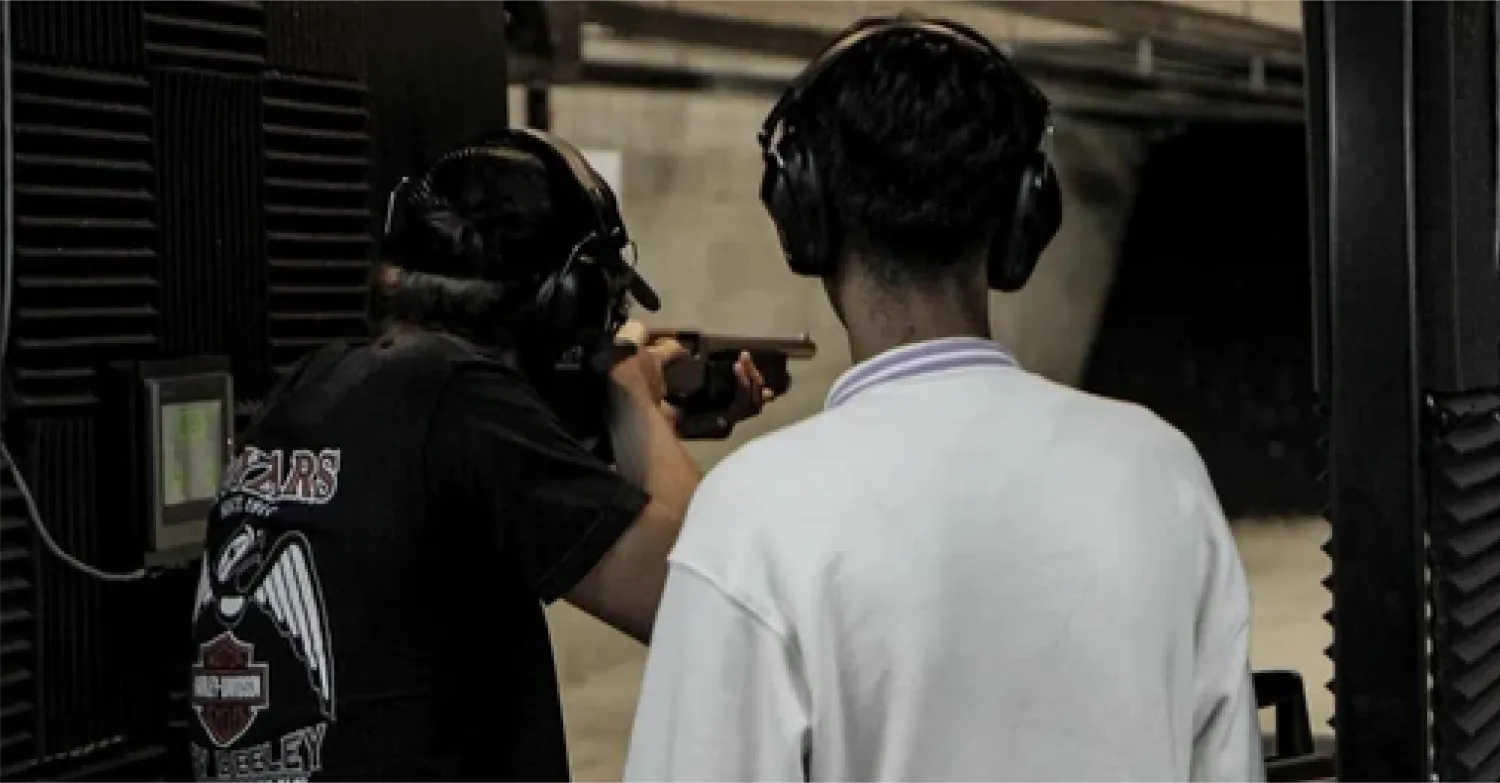
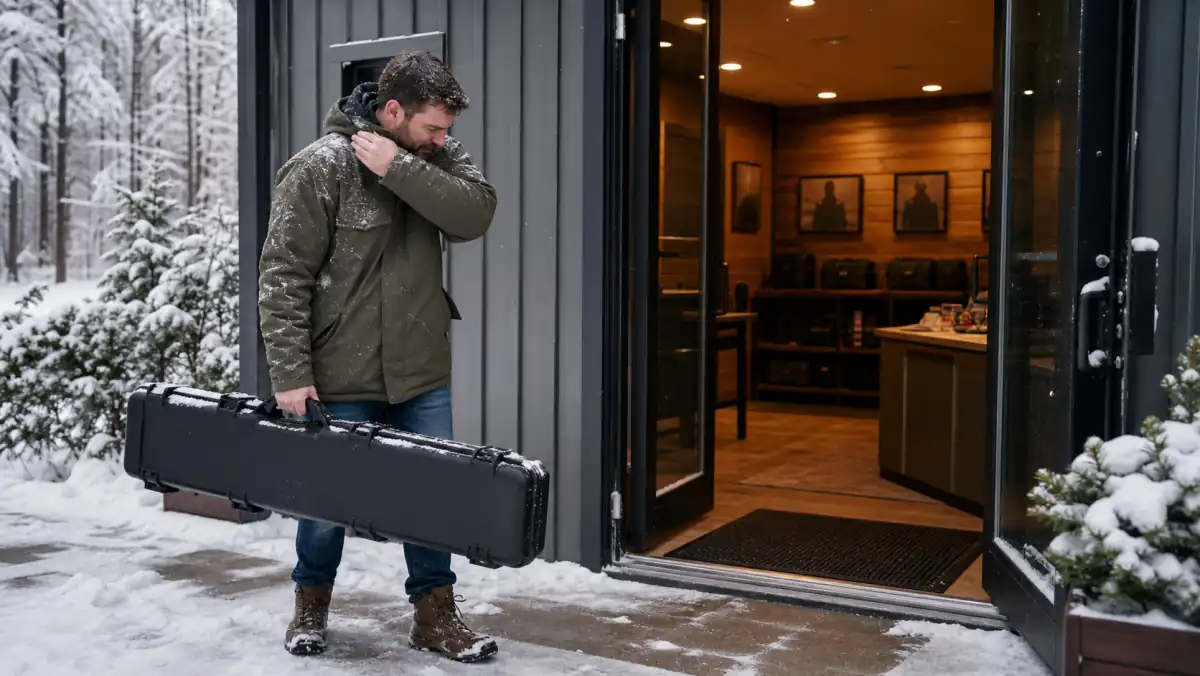
A winter shooting range Michigan plan helps prevent seasonal weather from turning a consistent practice routine into a long break. Indoor lanes offer stable lighting, target distance, footing, and temperature when outdoor ranges may be affected by snow, wind, ice, or limited daylight. Winter still creates special considerations: equipment can arrive cold, bulky clothing can interfere with movement, roads can delay travel, and holiday schedules can disrupt habits.
This guide explains how to adapt your range routine to Michigan winter without sacrificing safety or practice quality.
Use winter to protect consistency
Skill benefits from regular, purposeful repetition. A four-month gap can make range procedures and equipment handling feel less familiar. Indoor practice allows you to maintain a modest schedule through cold weather.
Set a realistic winter frequency. Two focused visits per month may be more sustainable than a weekly goal that collapses during storms and holidays. Put backup dates on the calendar.
At Range 313 in Lincoln Park , indoor pistol and rifle lanes operate daily. Check current conditions and hours before traveling, particularly during severe weather.
Plan around roads, not only range hours
Michigan winter driving can turn a short trip into a stressful one. Check the forecast and road conditions early. Leave extra time so you do not arrive rushed. Postpone the session when travel is unsafe.
Secure cases so they do not slide in the vehicle. Keep emergency gear separate from firearm equipment. Do not leave firearms unattended in a vehicle because plans change.
Transportation requirements continue to apply in winter. The Michigan DNR firearms guidance provides general information, but individual legal questions should go to the proper authority or attorney.
Prepare equipment and clothing for temperature change
Manage condensation and temperature change
A cold firearm brought into warm, humid air may develop condensation on metal, optics, or internal surfaces. Moisture can affect visibility and contribute to corrosion if ignored.
Keep the firearm cased and secured while checking in. Tell staff if it has been stored in a very cold environment and ask whether additional time or inspection is appropriate. Follow manufacturer guidance; do not use improvised heat sources.
After returning home, inspect and maintain equipment in a dedicated safe area. Ensure it is dry before long-term storage. Qualified firearm maintenance services can help when corrosion or function is a concern.
Dress in removable layers
Heavy coats are useful outside but can restrict arm movement and make hearing protection difficult to fit. Wear removable outer layers over range-appropriate clothing. A crew-neck shirt helps block hot brass, while closed-toe shoes provide coverage and stable footing.
Remove scarves, dangling drawstrings, and bulky gloves before handling a firearm. Do not assume winter gloves provide useful shooting control. If a class addresses cold-weather equipment, follow the instructor’s specific process.
Store coats where they will not clutter the bench or touch contaminated surfaces. Keep hats from interfering with earmuffs.
Inspect eye and hearing protection
Temperature change can fog eye protection. Use clean, impact-rated glasses and an approved anti-fog method compatible with the lens manufacturer’s instructions. Never remove glasses on the firing line to wipe them; make the firearm safe and exit as directed.
Check earmuff cushions for stiffness or cracking in cold weather. Ensure hats, glasses, and hair do not create a poor seal. Many indoor shooters use plugs under earmuffs because firearm impulse noise is intense.
CDC/NIOSH discusses hearing protection and indoor noise in its firing range safety guidance . Keep protection on throughout the live-fire area.
Shorten sessions when seasonal fatigue appears
Winter schedules can mean less sleep, longer commutes, and additional stress. Do not force a planned round count when concentration is poor. A short session with safe repetitions is more useful than a long session that creates careless habits.
Use a simple structure: baseline group, one focused fundamental, final confirmation, notes. Stop when your hands are tired or attention drifts.
Our pistol fundamentals guide provides a deliberate practice framework that fits a short winter shooting range Michigan visit.
Choose winter goals suited to indoor lanes
Winter is a good time to refine safe handling, stable position, visual consistency, trigger control, and equipment organization. It can also support supervised rental comparisons and introductory classes.
Do not claim that short indoor practice confirms performance at every outdoor distance. Hunters and long-range shooters still need appropriate distance verification under relevant conditions.
Use indoor sessions to isolate fundamentals. When outdoor ranges reopen or become comfortable, apply those habits to environmental variables such as wind and natural light.
Schedule instruction during the off-season
Courses create accountability and replace random practice with a curriculum. Winter may be a practical time to complete introductory training, review safe handling, or prepare for a future Michigan CPL class.
Ask about prerequisites, equipment, class size, and weather cancellation policies. Even an indoor class can be affected by dangerous travel conditions.
Review Range 313 training courses and choose a level that reflects current skill rather than aspiration. A long break may justify repeating fundamentals.
Maintain ammunition responsibly
Store ammunition in a dry, secure place according to manufacturer guidance. Avoid leaving it in a vehicle where temperature and moisture change repeatedly. Bring original packaging so staff can confirm it is allowed.
Inspect packaging for water damage or corrosion. Do not fire ammunition that appears compromised. Ask qualified staff how to dispose of questionable cartridges rather than placing them in ordinary trash.
Range ammunition restrictions remain the same in winter. Confirm caliber and projectile approval before entering the lane.
Build a winter practice journal
Record the date, goal, equipment, round count, target distance, and main observation. Add notes about condensation, fogging, clothing interference, or travel time. Seasonal details help improve preparation.
At the end of each month, review whether the schedule worked. If not, reduce frequency or move sessions to a more reliable day. Consistency should not depend on perfect weather.
A journal also makes the return to outdoor practice smoother because you can identify which skills were maintained and which need distance confirmation.
Use membership access intentionally
An indoor membership can make short winter sessions economical. Calculate value using realistic visits and total costs, including ammunition and travel. Review our Michigan range membership guide before choosing.
Range 313 currently offers Silver and Gold membership plans with different lane access and benefits. Confirm current terms and choose based on actual frequency.
Membership does not require you to shoot when roads are dangerous or concentration is low. Safety overrides getting your money’s worth.
Practice good lead hygiene around winter clothing
Heavy coats, gloves, and bags can move range residue into vehicles and homes. Keep outerwear away from the firing bench when possible. Wash hands and face with cold water and soap before eating, and change clothes after longer sessions.
Do not eat or drink in the live-fire area. Keep range bags away from kitchen surfaces and places where children play.
CDC/NIOSH provides lead and noise exposure recommendations , and OSHA maintains lead resources relevant to indoor ranges. Winter layers make deliberate separation of range gear especially important.
Secure firearms during holiday travel
Holiday schedules often involve visiting homes where children or guests are present. Michigan’s secure-storage law applies in specified circumstances when a minor is present or likely to be present. Review the current MDHHS secure-storage guidance .
Plan storage before leaving home. Do not assume a host has a suitable locked container. Control keys and combinations and prevent unauthorized access at every stop.
If lawful storage cannot be assured, change the plan. Convenience is not a substitute for secure control.
Prepare for the return to outdoor practice
As spring approaches, identify which goals require outdoor distance or environmental conditions. Inspect equipment that has been stored, confirm maintenance, and schedule an appropriate range visit.
Expect wind, natural light, uneven temperature, and different target procedures to affect performance. Start conservatively rather than assuming indoor results transfer perfectly.
The Michigan DNR range directory can help identify public and private options. Confirm seasonal openings and rules before traveling.
Winter shooting range Michigan checklist
Before leaving, check roads and hours, secure equipment, pack removable layers, and inspect protective gear. At the range, allow cold equipment to acclimate appropriately, keep the bench free of winter clutter, and choose one indoor-suitable goal. Stop when fatigue appears.
Afterward, wash thoroughly, keep contaminated gear separate, inspect for moisture, transport lawfully, and store securely. Record the session and schedule a realistic next date.
A winter shooting range Michigan routine should make training steadier, not riskier. Controlled indoor access provides the opportunity; careful planning turns it into useful practice.
A three-session winter training cycle
Use a repeating three-session cycle to keep winter practice focused. In session one, establish a baseline with familiar equipment and a modest number of careful groups. Record target distance, ammunition, protective-equipment comfort, and any seasonal issue such as fogging or stiff earmuff cushions.
In session two, work on one fundamental identified from the baseline. Consider qualified coaching if the problem is difficult to diagnose. Keep all other variables as consistent as possible and stop while attention remains strong.
In session three, confirm the change and review equipment condition. Inspect for condensation, corrosion, loose mounts, or storage concerns. Update the maintenance and practice journal, then choose the next cycle’s goal.
This approach prevents every winter visit from becoming the same unstructured session. It also creates a natural opportunity to pause during dangerous travel weather without losing the larger plan. A winter shooting range Michigan cycle can repeat monthly or stretch across the season; the important feature is that each visit answers a question created by the one before it.