
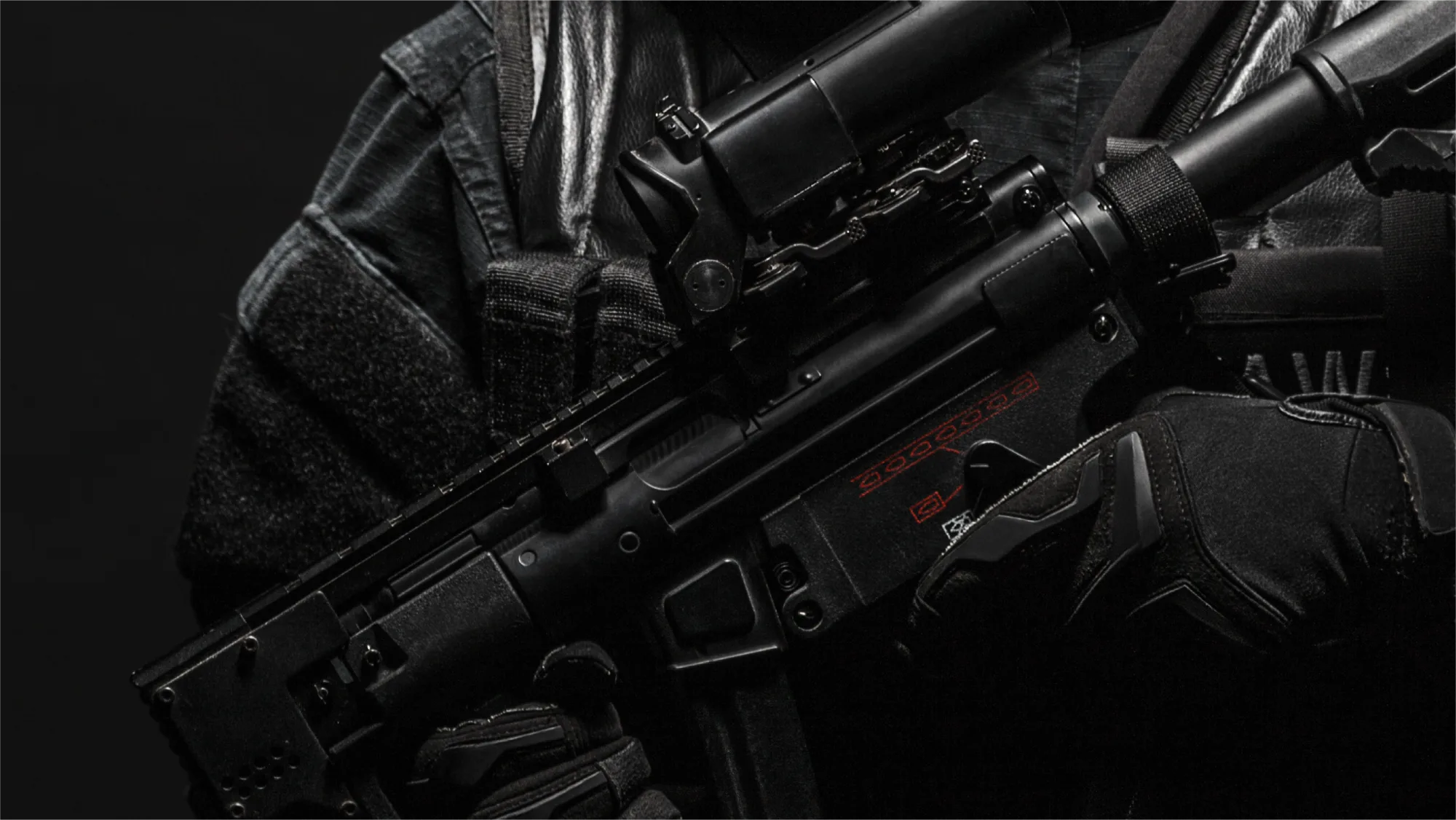
The safest packing decision for many Canadian visitors heading to a U.S. indoor range is also the simplest: leave firearm-related gear at home and plan around an approved on-site rental. A legal purchase, licence, or storage arrangement in Ontario does not automatically authorize an item to enter the United States and later return to Canada.
Range 313 welcomes eligible domestic and international visitors at its indoor facility in Lincoln Park, Michigan. The range lists rental options, protective equipment, lanes, and training, which can let a Canadian visitor organize an experience without transporting personal equipment. Eligibility and current policies still need to be confirmed before travel.
This guide separates three categories: items to leave at home, ordinary items to pack, and things to check before returning to Canada. It is not a legal classification of every product. If you intend to transport any firearm, ammunition, component, weapon, or controlled item, obtain authoritative guidance for that exact item and traveler rather than treating a general article as permission.
Why “it is legal at home” is not enough
Cross-border travel involves at least two legal systems, two customs processes, and rules governing export, import, possession, transport, and declaration. An item can be lawfully owned in Canada yet require authorization to enter the United States. A product can be sold in Michigan yet remain restricted for export or import into Canada.
Temporary firearm importation into the United States can require advance approval from the Bureau of Alcohol, Tobacco, Firearms and Explosives. ATF’s Form 6NIA application addresses temporary importation by certain nonimmigrant visitors for lawful sporting or other purposes. It is a formal process, not paperwork to complete at the bridge booth.
The Canada Border Services Agency instructs travelers to check requirements in both countries and declare firearms and weapons when entering Canada. Its firearms and weapons guidance covers classification and travel considerations, but individual facts can still require further advice.
The practical conclusion is not that cross-border transport is always impossible. It is that a casual rental visit should not become an improvised import-and-export project. Leave regulated gear at home unless you have completed the exact legal process in advance.
Leave personal firearms at home
Do not place a personally owned handgun, rifle, shotgun, receiver, frame, or other firearm in the vehicle for an ordinary rental-based trip. This includes an unloaded, locked, cased firearm. Safe storage does not replace import authority, and declaring an item does not guarantee it is admissible.
Never rely on statements such as:
- “It is registered in Canada.”
- “I have a PAL.”
- “It is only for target shooting.”
- “It stays locked in the trunk.”
- “My friend crossed with one before.”
- “The range is expecting me.”
Each statement may describe part of the situation, but none establishes compliance with every U.S. and Canadian requirement. A range reservation cannot grant border permission.
For an eligible visitor, ask Range 313 whether an approved firearm is available for on-premises rental. Confirm the required ID, ammunition policy, and whether first-time instruction is appropriate. The rental stays under the facility’s procedures and avoids casually moving personal equipment between countries.
Leave ammunition at home
Ammunition raises its own transport, import, export, carrier, and facility questions. Do not bring a box from Canada because it is the correct caliber, was on sale, or might reduce the session price. Do not keep loose cartridges in a backpack, glove box, or coat pocket.
When renting, ask Range 313 whether the range requires ammunition to be purchased on site for the rental and which loads are approved. Use only the ammunition the facility authorizes. Do not substitute a cartridge because dimensions appear similar.
At the end of the session, follow staff direction for unused ammunition. Do not place leftovers in a personal bag for the drive home. A clean rental visit ends without ammunition crossing either border.
Before leaving Canada, check luggage used for previous range trips. Soft cases, backpacks, and coat pockets can hold a forgotten cartridge. The absence of intent does not make an undeclared item harmless at an inspection.
Leave magazines, loaders, and components at home
Empty does not mean unregulated. Magazines, speed loaders, slides, barrels, triggers, grips, bolts, receivers, frames, springs, and other components can raise item-specific questions. Capacity limits and legal classification can differ across jurisdictions.
Do not bring accessories to “make the rental easier” unless Range 313 explicitly requests an ordinary, lawful item and you have confirmed border rules for it. The range should supply or approve what is used with its rental equipment.
Do not purchase a magazine or component as an impulse souvenir in Michigan. Retail availability answers only whether a store may offer the item under its circumstances. It does not answer whether you may export it from the United States, import it into Canada, possess it at home, or transport it through every place on the route.
If a future purchase matters, pause the transaction and seek written guidance from the responsible agencies or a qualified professional. A day trip is not the time to solve it at the checkout counter.
Leave spent cases and range souvenirs behind
A small brass casing can look like a harmless keepsake. It is still a firearm-related object that can create questions in a pocket, bag, vehicle, or border examination. The same caution applies to projectiles, dummy rounds, snap caps, damaged components, or range hardware.
Use a target photo as the souvenir when the facility permits photography. If a paper target may leave the range under current policy, confirm that it contains no attached items and pack it flat with ordinary papers. Do not collect objects from the floor or bench.
At the end, turn pockets inside out and look in bag seams. Check the area beneath coats and personal items. Travelers often focus on returning the obvious rental while overlooking something small that rolled nearby.
Leave defensive sprays and weapons at home
Pepper spray, bear spray, stun devices, batons, knives, and other defensive or utility items can be regulated differently by product, intended use, design, jurisdiction, and border agency. Do not assume an item carried lawfully in Canada may travel into Michigan or return without restriction.
Clean out the vehicle before range day. Check door pockets, center console, under-seat storage, trunk organizers, handbags, and emergency kits. A driver may forget an item that lives permanently in the car because it was not packed specifically for the trip.
Ordinary vehicle safety equipment should stay, but anything designed or carried as a weapon deserves an exact legal review. When in doubt, remove it before departure and seek authoritative guidance later.
Leave cannabis, CBD, and impairing products at home
Cannabis is a frequent cross-border mistake because travelers compare Ontario and Michigan rules while overlooking the international border. U.S. federal law governs entry, and cannabis cannot be carried across merely because possession may be lawful on either side.
The CBSA travel reminder checklist specifically warns that taking cannabis across Canada’s border remains illegal. That includes edible products and can include products travelers casually describe as CBD.
Impairment is also incompatible with a range visit. Do not consume alcohol, cannabis, or another impairing substance before or during the activity. Do not create a plan in which the group drinks at lunch and then decides whether it “feels fine” to go shooting. Put the safety-critical activity first or choose a different day.
Prescription medication should not be discontinued without medical advice. If a medication can impair attention, coordination, or judgment, discuss safe activities with the prescriber and do not participate when impaired. Bring medication in appropriate original packaging where possible and review border requirements for controlled prescriptions.
Leave replica, toy, and imitation weapons at home
Airsoft devices, pellet guns, starter pistols, replicas, realistic toys, and display items may trigger specific legal classifications or security concerns. Their appearance can also create needless risk during a vehicle search or traffic stop.
Do not bring an imitation because it “is not technically a firearm.” Border officers and law-enforcement personnel cannot safely rely on a traveler’s informal description from a distance. Exact design and capability matter.
A recreational visit to Range 313 does not need these objects. Leave them at home and use only equipment staff approves at the facility.
Leave unverified status assumptions at home
The most consequential thing not to carry into the trip is an untested assumption about eligibility. Living in Canada does not by itself determine whether a person may enter the United States or possess a firearm there.
U.S. federal law can treat a visitor admitted under a nonimmigrant visa differently from one lawfully admitted without a visa. ATF explains the general visa-related prohibition and exceptions in its firearms questions and answers . Criminal records, protection orders, immigration restrictions, and other factors can create separate issues.
Call Range 313 before departure and explain each visitor’s citizenship or immigration status accurately. Anyone with a legal uncertainty should obtain qualified advice. Do not let the group’s confidence substitute for an individual answer.
Border admissibility is separate. Review CBP’s document guidance for Canadian visitors , check document validity, and remember that an officer determines admission at the port.
Leave pressure and surprise invitations behind
A range visit should never be sprung on someone after crossing the border. Every participant deserves to know the activity, sensory environment, cost, rules, and alternatives before agreeing.
Do not tell a hesitant friend that the reservation money will be wasted or that “everyone has to try one round.” A person may decline before check-in, after orientation, or during the session. If observer access is important, ask the range about current policy before the trip.
Groups should also leave competitive escalation behind. The objective is safe, deliberate practice—not the loudest equipment, largest rental, fastest pace, or highest ammunition count. A beginner who finishes a small controlled session has completed a successful visit.
What to bring instead
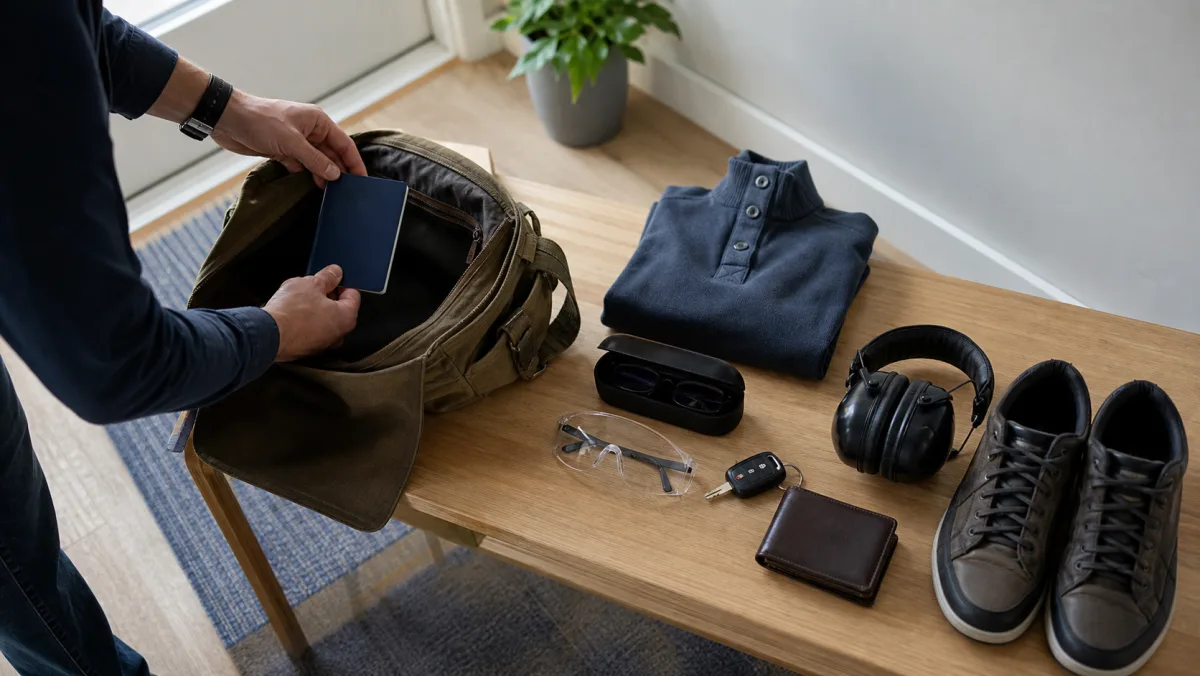
A clean range-day packing list is short:
- Original travel document required for U.S. entry
- Passport or valid government-issued photo ID requested by Range 313
- A U.S.-compatible payment method
- Prescription glasses or necessary medication
- Closed-toe shoes
- A close-fitting, higher-neck shirt
- A hair tie for long hair
- A clean change of top, if desired
- Booking notes, the range address, and phone number
- Water for use outside the live-fire area
Ask whether approved eye and hearing protection are available. Bringing personal protective glasses or earmuffs can be convenient only after Range 313 confirms they meet current requirements and the items themselves are ordinary lawful goods. Clean reusable protection after the session according to manufacturer instructions.
Do not pack food for consumption on the range. Store snacks separately and wash hands and exposed skin with cool water and soap before eating.
The vehicle sweep before departure
Do a deliberate five-minute inspection on the Canadian side:
- Empty the glove box and console of forgotten weapon-related items.
- Check door pockets and under seats.
- Remove old range bags, cases, and loose accessories.
- Inspect coats, backpacks, purses, and camera bags.
- Confirm there is no cannabis, CBD, ammunition, or defensive spray.
- Put each traveler’s documents where they remain accessible.
- Keep ordinary emergency equipment secured.
- Confirm that no one has agreed to carry a package for another person.
The driver should ask passengers directly whether they packed anything regulated. Ownership does not limit the effect on the vehicle or group during inspection. Every traveler is responsible for truthful answers.
The range-counter confirmation
When you arrive at Range 313, disclose that you are visiting from Canada. Present the requested documents and reconfirm the rental plan. Ask what happens to unused ammunition and where personal items should be stored.
First-time shooters should request the level of assistance they need. Before loading, learn the specific controls, approved ammunition, safe direction, loading sequence, target distance, and malfunction procedure. Keep the firearm pointed downrange and the finger away from the trigger whenever listening or uncertain.
The current Range 313 visitor page lists hours, address, identification reminders, and contact details. Our Canadian visitor eligibility guide explains why status and range policy must be confirmed separately.
The return-to-Canada sweep
Repeat the inspection more carefully after the session:
- Return the rental and all range-owned items.
- Follow staff direction for unused ammunition.
- Check the bench and floor around belongings.
- Inspect every pocket, bag seam, and glasses case.
- Check the vehicle cargo area before loading bags.
- Keep receipts for ordinary purchases.
- Recount passports and wallets.
- Review current Canadian-bound crossing conditions.
At the Canadian port of entry, make a full and accurate declaration. Do not describe a questionable item strategically or hope an officer will not ask. If uncertainty remains, state it and request guidance.
Never accept an item from a friend after completing your own inventory. “Can you hold this for me?” is not a harmless favor at an international border.
A simple rule for a simple visit
For an eligible Canadian planning a recreational session, the cleanest model is:
- Verify entry and firearm eligibility.
- Call Range 313 and confirm ID, rentals, instruction, costs, and availability.
- Cross with ordinary documents and clothing only.
- Use approved on-site equipment under facility rules.
- Return all equipment and leave with no range-related objects.
- Declare ordinary purchases truthfully in Canada.
The list of things to leave at home may look long, but it exists to make the trip simpler. You do not need personal equipment to ask about an indoor range experience at Range 313. Careful eligibility checks, a clean vehicle, approved rentals, and a complete return inventory keep the day focused on the activity rather than avoidable border questions.
Sources
- Range 313 contact and international visitor information
- ATF Form 6NIA: temporary importation application
- ATF questions and answers for nonimmigrant visitors
- Canada Border Services Agency firearms and weapons guidance
- Canada Border Services Agency travel reminder checklist
- U.S. Customs and Border Protection: Canadian visitor documents
This article is general planning information, not legal advice or an item-specific classification. Confirm current requirements with the responsible agencies and qualified counsel before transporting any regulated product.