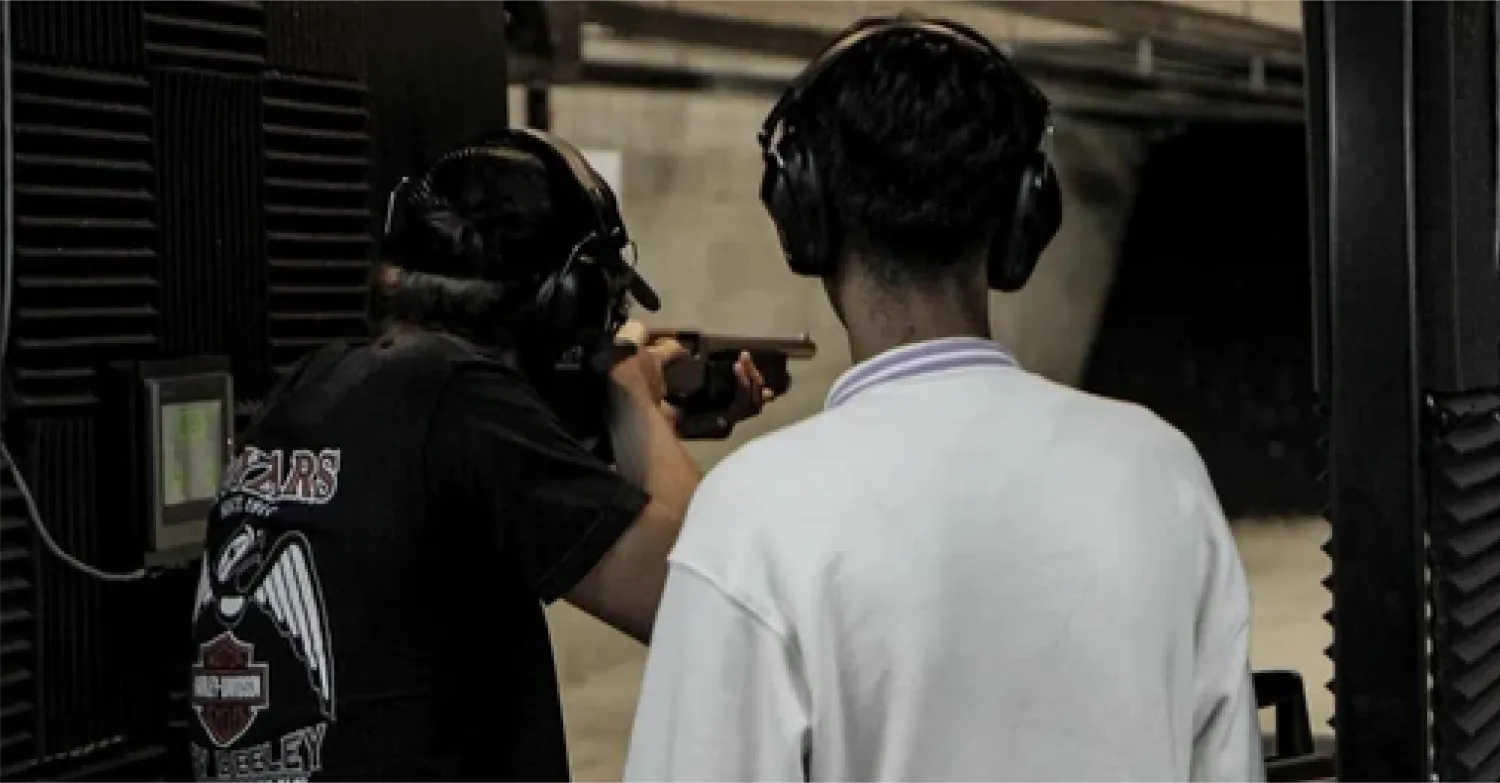
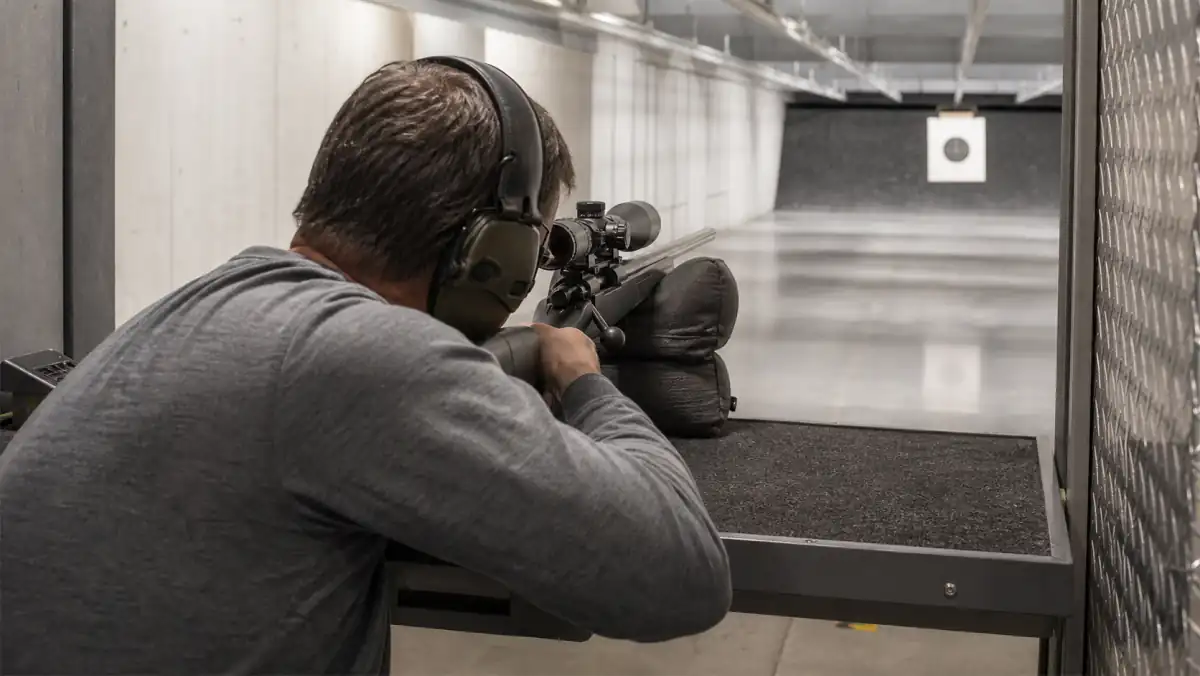
A rifle range Michigan shooters can use indoors offers consistency when weather, travel, and outdoor access make practice difficult. Shorter indoor distances do not replace every type of outdoor training, but they are valuable for safe handling, equipment familiarization, deliberate groups, and confirming that a rifle and optic are functioning as expected. The key is matching the session goal to the facility’s rules and physical limits.
This guide explains how to prepare a rifle, confirm ammunition approval, organize an indoor lane, collect useful target information, and finish the visit responsibly.
Confirm that the rifle and ammunition are allowed
Before traveling to a rifle range Michigan facility, call with the exact firearm type, caliber, and ammunition. Indoor backstops are engineered for specified energy levels and projectile construction. A range may permit common rifle calibers while prohibiting steel-core, tracer, incendiary, armor-piercing, or other ammunition.
Do not assume a box is acceptable because it says “target.” Bring the original packaging so staff can identify the manufacturer and loading. If you have loose or reloaded ammunition, disclose that fact and follow the facility’s policy.
The Michigan DNR range rules demonstrate that public facilities also restrict firearm types, calibers, and ammunition. Private indoor ranges use policies specific to their backstop and operations. Contact Range 313 before bringing an unfamiliar rifle setup.
Prepare the rifle system
Transport and case the rifle responsibly
Plan transportation before the session. Michigan requirements can vary with licensing, firearm type, and circumstances. The Michigan DNR firearms and bows guidance provides general information about transporting long guns and handguns. For advice about your facts, consult the appropriate authority or attorney.
Use a durable case that protects the rifle and keeps it secured. At the range, leave it cased until you reach the approved bench. Ask staff which direction the case should face before opening it. This prevents the muzzle from sweeping the room as the rifle is removed.
When leaving, verify condition under the facility’s procedure and case the rifle at the bench. Michigan rifle range safety begins and ends with controlled handling outside the firing sequence.
Inspect the setup before live fire
A pre-session inspection should identify loose mounts, visible obstruction, damaged parts, or controls that do not operate normally. This is not the time for unqualified disassembly. If something appears wrong, stop and seek professional help.
Confirm that the optic or sights are firmly mounted, the bore is unobstructed, magazines are appropriate, and any sling is arranged so it cannot catch controls or neighboring equipment. Suppressors, muzzle devices, braces, and other configurations may involve facility rules or legal considerations; confirm both before the visit.
Range 313 offers gunsmithing and firearm services for mounting, inspection, maintenance, and related support. A mechanical concern should be resolved before you use ammunition to diagnose it.
Choose one purpose for the session
An indoor rifle range Michigan visit becomes more productive when you define one primary outcome. Examples include confirming safe operation after maintenance, measuring group consistency, checking an optic mount, practicing a stable supported position, or comparing approved ammunition.
Avoid trying to test everything at once. If you change ammunition, support position, optic settings, and technique together, the target cannot tell you which variable mattered.
Write the goal at the top of a notebook. Record the rifle, ammunition, target distance, support used, and any environmental or equipment observation. A simple record turns a target into useful evidence.
Set up the lane without clutter
Bring only necessary items to the bench: the cased rifle, approved ammunition, magazines, eye and hearing protection, targets, and a small number of appropriate tools if the range permits them. Keep bags and coats away from controls and ejection paths.
Place the target at a distance suited to your goal and the facility’s minimum rules. Very close targets may create fragmentation or damage concerns. Ask staff when uncertain.
Keep the muzzle downrange throughout setup. Do not move the rifle behind the firing line to show it to another visitor. Conversations and photos can wait until it is safely cased.
Use a stable supported position first
A bench or approved support can reduce human movement and help evaluate the rifle-ammunition-optic system. Position the support so it contacts an appropriate part of the rifle and does not interfere with moving components. Follow manufacturer and instructor guidance.
Avoid resting the barrel directly on a hard object. Do not improvise supports from range fixtures. If using a bipod or bag, confirm the facility allows it and that it fits within the lane.
Once equipment function and grouping are understood, you can practice other lawful positions if the range permits. A rifle range Michigan indoor session should progress from controlled evaluation to added difficulty—not the reverse.
Fire groups instead of chasing single shots
One shot provides little diagnostic value. Fire a small group with the same aiming point and deliberate process. Pause, make the rifle safe according to range procedure, and assess the overall pattern.
If the group is broad, check technique, support stability, optic movement, and ammunition consistency before adjusting sights. If the group is consistent but offset, a measured sight adjustment may be appropriate.
Do not spin optic controls after every shot. That creates a moving reference and makes it impossible to understand the original result. Qualified optic mounting and zeroing support can save time when the setup is unfamiliar.
Understand what short-distance practice can show
Indoor distances can reveal whether the rifle functions, whether sights are mounted securely, and whether you can produce consistent groups. They can also support a preliminary sight confirmation. They do not automatically establish where the projectile will land at every longer distance.
Trajectory depends on sight height, ammunition, barrel, velocity, environmental conditions, and the chosen zero. Use reputable ballistic data and confirm at the actual distance relevant to your lawful activity.
For hunting preparation, consult current Michigan DNR hunting and firearms information and verify your setup at an appropriate facility. Never treat a short indoor result as complete long-range validation.
Manage recoil and muzzle movement responsibly
A stable position, appropriate rifle fit, and qualified coaching help manage recoil. Do not compensate by gripping unpredictably or leaning away from the rifle. Ask an instructor to evaluate your position.
Muzzle brakes can create significant side blast indoors. Confirm that the device is permitted and be considerate of neighboring lanes. Strong hearing protection is essential for everyone in the live-fire area.
CDC/NIOSH reports that firearm impulse noise at ranges can exceed recommended limits. Its indoor firing range guidance supports robust hearing protection and attention to equipment fit. Many indoor shooters choose properly inserted plugs beneath earmuffs.
Respond safely to unexpected behavior
If the rifle produces an unusual sound, abnormal recoil, failure to fire, feeding issue, or other unexpected result, stop. Maintain downrange orientation, remove your finger from the trigger, and signal staff.
Do not look into the muzzle or attempt a correction you do not understand. Do not turn around holding the rifle. A range officer can help stabilize the situation and determine whether professional service is needed.
Repeated problems are not a reason to “try one more.” End the session with that rifle until the cause is properly assessed.
Compare ammunition carefully
Different approved ammunition can produce different groups and points of impact. Compare only when the range permits the load and the rifle manufacturer identifies it as appropriate.
Use the same target distance, support, aiming point, and deliberate pace. Label targets immediately. Allow the rifle to cool if heat is affecting consistency. Avoid declaring a winner from one small sample.
Price, availability, reliability, and intended lawful use all matter. Keep records so you can purchase the same product later rather than relying on box color or memory.
Protect against lead and noise exposure
Indoor rifle practice requires attention to ventilation and hygiene. Do not eat, drink, smoke, or apply cosmetics on the firing line. Wash hands and face before eating, and keep range bags away from food and children’s spaces.
The CDC/NIOSH publication on reducing lead and noise at indoor firing ranges describes exposure pathways and facility controls. Frequent visitors should ask how air moves through the range and how surfaces are maintained.
Keep hearing protection on until you have fully exited the live-fire area. A neighboring lane can fire at any moment.
Build a repeatable rifle practice plan
Start each session with safety and function, then one measurable goal. Fire deliberate groups, record results, and finish before fatigue affects handling. Avoid high round counts without a reason.
A sample session may include setup, one baseline group, several groups focused on position or sight consistency, a final confirmation group, and written notes. The exact round count is less important than maintaining the same process.
Shooters who visit often can compare Range 313 membership plans for recurring access. Consistency helps only when each session remains purposeful.
Store the rifle securely afterward
After casing and lawful transport, return the rifle to secure storage. Michigan law includes storage requirements under specified circumstances when minors are present or likely to be present. Review the MDHHS secure-storage information and current law.
Control keys and combinations, prevent unauthorized access, and store ammunition according to your security plan. Clean the rifle only in a dedicated area after confirming its condition and removing live ammunition from the workspace.
Rifle range Michigan final checklist
Confirm firearm and ammunition approval, transport securely, inspect the setup, and define one goal. At the lane, organize the bench, start from a stable supported position, fire groups, and document results. Stop immediately when something seems wrong. Protect hearing, follow hygiene practices, and secure the rifle after returning home.
A rifle range Michigan visit does not need long distance or a large round count to be valuable. Controlled conditions, consistent variables, and careful records can make indoor practice a useful part of a broader training plan.