Michigan gun range safety begins before anyone loads a magazine. It starts with choosing a responsible facility, transporting equipment correctly, arriving unimpaired, and listening to the range orientation. Once on the firing line, safe behavior depends on consistent muzzle direction, visible trigger-finger discipline, correct protective equipment, and immediate compliance with staff commands. These habits matter whether you are firing your first round or have trained for years.
This article explains the safety culture visitors should expect at a Michigan range and the behavior each shooter contributes. Facility rules vary, so this guide complements rather than replaces the posted rules where you shoot.
The four habits behind Michigan gun range safety
Most formal safety systems express the same four ideas: treat every firearm as loaded, keep it pointed in a safe direction, keep your finger outside the trigger guard until ready to fire, and identify your target and what lies beyond it. These rules overlap intentionally. If one layer fails, the others continue to reduce risk.
At an indoor range, “safe direction” usually means downrange toward the engineered backstop. Staff determine approved handling areas. Never point a firearm at a person, ceiling, sidewall, doorway, or anything you are unwilling to damage. This applies even when an action is open or someone has said the firearm is unloaded.
Trigger-finger discipline should be obvious to an observer. Rest the finger straight along the frame until the sights are on the intended target and you have decided to fire. Remove it again as soon as you stop firing. Michigan gun range safety is built from visible, repeatable actions—not private assumptions.
Facility rules always apply
Every range has rules shaped by its design, ventilation, backstop, insurance, staff procedures, and permitted activities. A practice allowed at one facility may be prohibited at another. Read the rules every time you visit a new location and review updates at your regular range.
Rules may address ammunition types, calibers, target placement, rate of fire, holster work, guest supervision, rentals, food and drink, and where firearms may be uncased. Ask before acting if a rule is unclear.
The Michigan DNR shooting range rules offer a public example: firearms must remain pointed safely, eye and ear protection are required, and shooters must obey range officers. Private facilities publish their own requirements. At Range 313’s indoor range , our team can explain current policies before you enter the lane.
Arrive sober, rested, and ready to concentrate
Alcohol, controlled substances, and impairment have no place around firearms. Some prescriptions and over-the-counter medicines also cause drowsiness or reduced coordination. Read warnings and speak with a healthcare professional if you are unsure whether you can participate safely.
Fatigue matters too. A person who is exhausted, emotionally distressed, or unable to concentrate should postpone the session. Responsible decisions include recognizing when not to shoot.
Do not bring alcohol into the range or plan a range trip as part of an event centered on drinking. Michigan gun range safety requires clear judgment from check-in until every firearm is secured after the session.
Wear eye and hearing protection correctly
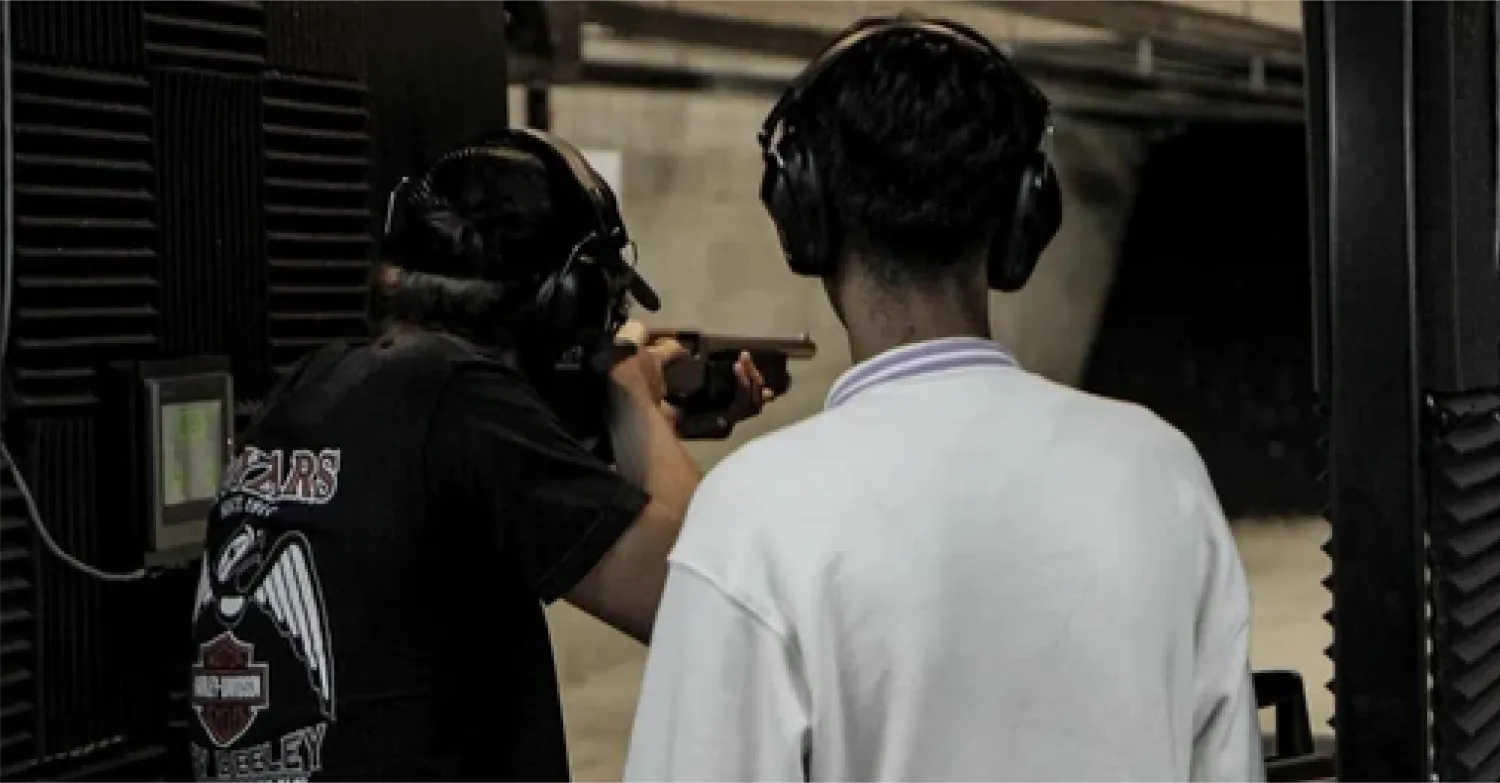
Eye protection helps guard against cartridge cases, debris, and equipment failures. It should fit securely and provide good coverage without disrupting your hearing protection. Closed-toe footwear and a crew-neck shirt offer additional coverage from hot brass.
Hearing protection must remain on throughout a live-fire area. Indoor surfaces can reflect sound, and another shooter may fire without warning. Many shooters use properly fitted earplugs beneath earmuffs for added protection.
CDC/NIOSH reports that firearm impulse noise can exceed recommended occupational limits and discusses double protection in its indoor firing range safety guidance . Fit matters: glasses or hair can compromise an earmuff seal. People with existing hearing concerns should seek individualized professional advice.
Keep firearms cased until the approved area
Do not uncase a firearm in the parking lot, lobby, restroom, or other unapproved location. At most indoor ranges, personal firearms stay secured until positioned at the assigned shooting bench. Ask staff how to orient the case so the muzzle points downrange when opened.
When leaving, confirm the firearm is unloaded using the facility’s procedure, secure it in its case at the bench, and only then exit the lane. Never carry an uncased firearm through public areas unless staff have specifically directed a lawful procedure.
Transportation requirements depend on the firearm and circumstances. The Michigan DNR provides general firearm transportation information , while Michigan State Police maintains broader firearms resources . When the law is unclear for your situation, consult an appropriate authority or attorney.
Understand cease-fire commands
A cease-fire command means stop immediately. Remove your finger from the trigger area, keep the muzzle safely oriented, and follow staff directions. Do not finish a string of fire or attempt to squeeze in one last shot.
Different facilities use different wording, but direct commands such as “stop,” “cease fire,” or an instruction addressed to your lane require the same immediate response. Anyone who observes an imminent safety problem should alert staff promptly.
Michigan gun range safety depends on clarity. A range officer may speak loudly or directly because hearing protection, distance, and live fire make subtle communication ineffective. Accept corrections professionally and ask questions after the situation is stable.
Handle unexpected firearm behavior safely
If a firearm fails to fire, produces an unusual sound, feels different, or operates in a way you do not recognize, stop. Keep the muzzle downrange and your finger away from the trigger. Place the firearm down only as facility procedure allows and signal staff.
Do not turn toward another person while holding it. Do not look into the muzzle. Do not attempt a clearing process based on a short video or incomplete memory. The correct response can depend on the equipment and what occurred.
Qualified staff can assess the situation without adding movement or confusion. Asking for help is a sign of sound judgment, not inexperience. If recurring reliability concerns appear, stop using the firearm and consider professional gunsmithing and firearm services .
Keep the firing bench organized
Clutter creates distractions. Bring only necessary ammunition, magazines, targets, and tools to the bench. Store bags where they will not interfere with movement. Keep food, beverages, phones, and unrelated objects outside the active handling area.
Load only at the approved location and time. Keep ammunition separated from any firearm being inspected or adjusted when staff require it. Do not reach across another shooter’s equipment or enter another lane without permission.
A clean bench supports Michigan gun range safety because firearm condition and muzzle direction remain visible. It also reduces the chance that a visitor grabs the wrong item or knocks equipment to the floor.
Respect target and ammunition restrictions
Range backstops are engineered for defined uses. Ammunition that is incendiary, explosive, tracer, armor-piercing, or otherwise prohibited can damage equipment or create serious hazards. Some facilities also restrict steel-core projectiles, certain calibers, shotguns, or muzzle devices.
Use approved paper targets and place them at an appropriate distance. Very close targets can send fragments or debris in undesirable directions. Do not shoot target carriers, walls, ceiling baffles, lane dividers, or objects placed outside approved target areas.
Ask staff to inspect unfamiliar ammunition before you enter. Packaging labels can be confusing, and online descriptions may be incomplete. The range’s decision controls what may be used in its facility.
Supervise guests without overestimating your role
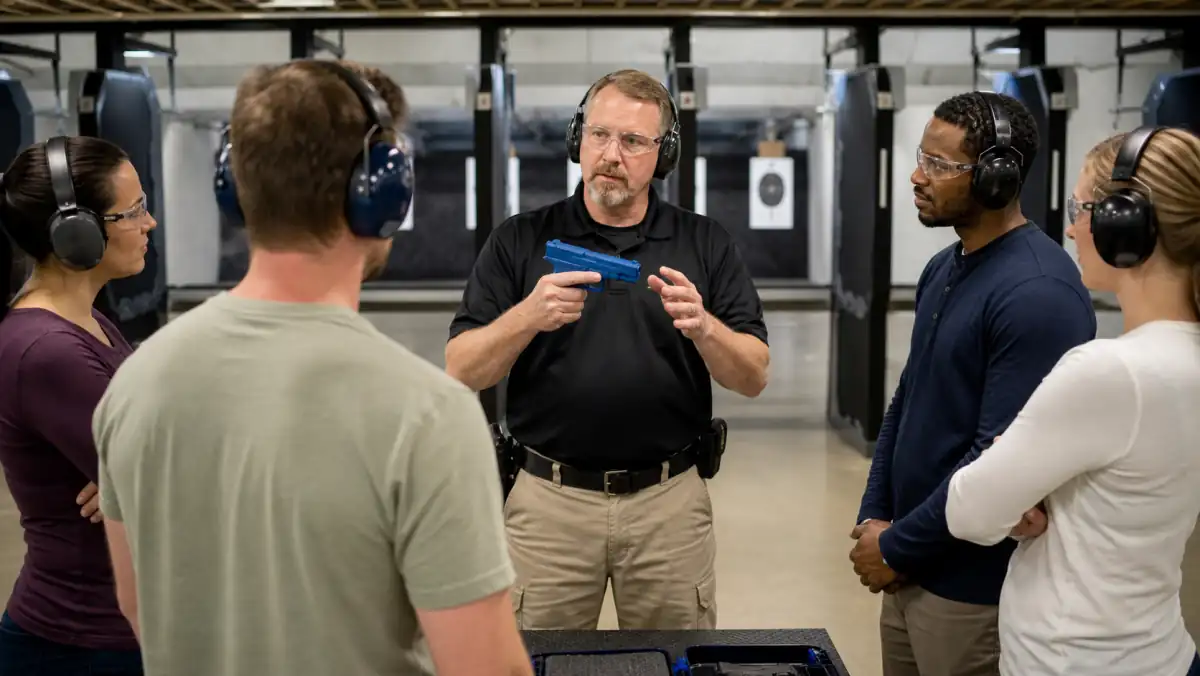
An experienced guest can model calm behavior, but supervising a new shooter is a serious responsibility. Explain rules before entering the lane and never place a firearm in someone’s hands without confirming they understand what to do.
Do not overload a beginner with technical detail. Prioritize safe direction, trigger-finger position, and following commands. If you cannot watch continuously or explain the equipment clearly, arrange professional instruction.
Youth policies vary. Confirm minimum ages and required adult supervision before arriving. Michigan’s DNR rules require adult supervision for shooters under a specified age at state ranges, but a private indoor facility may use different limits. Contact Range 313 directly when planning a family or group visit .
Practice lead and hygiene precautions
Firearm discharge can generate lead-containing particles from primers or projectiles. Good facility ventilation moves air away from shooters, but visitors should also use careful hygiene. Do not eat, drink, smoke, or apply cosmetics in the live-fire area. Wash hands and face with soap and cold water afterward and before eating.
Keep range clothing and bags away from food preparation and children’s play areas. Change after longer sessions and clean reusable equipment according to manufacturer guidance. Avoid sweeping or disturbing residue yourself.
The OSHA lead overview links to firing-range resources, and NIOSH publishes detailed recommendations for reducing exposure. Michigan gun range safety includes these less visible health practices as well as immediate handling rules.
Store firearms securely after the visit
Range safety does not end in the parking lot. Secure firearms during transport and prevent unauthorized access at home. Michigan’s secure-storage law applies when an individual knows or reasonably should know that a minor is present or likely to be present, subject to the law’s terms and exceptions.
The MDHHS secure storage law page provides current state information. Storage choices should also account for theft prevention, household circumstances, lawful access, and separation from unauthorized users.
Never leave a firearm unsecured because you expect to clean it later. Complete the storage process before moving to another task.
Build a safety-first practice culture
Good shooters do not “graduate” from safety rules. They become more consistent in applying them. Use the same sequence each visit, even when the range is quiet or the firearm is familiar. Avoid showing off, rushing, or treating corrections as personal criticism.
Choose practice partners who reinforce responsible behavior. Leave if another person pressures you to violate rules or handle equipment beyond your ability. Report unsafe conduct to staff rather than confronting someone on a live firing line.
Formal firearms training at Range 313 can turn general principles into supervised habits. A course also gives you a place to ask questions that may be difficult to address during ordinary lane time.
Michigan gun range safety checklist
Before shooting, confirm that you are rested and unimpaired, your firearm is secured, your ammunition is permitted, and your protective equipment fits. At check-in, disclose your experience level and read the rules. On the line, control muzzle direction, keep your finger indexed, respond immediately to commands, and request help early.
After shooting, clear and case equipment according to facility procedure, wash thoroughly, transport lawfully, and store securely. Reflect on any correction you received and make it part of your next session plan.
Michigan gun range safety is not one rule or one orientation. It is a chain of responsible decisions extending from home to the range and back again. When every visitor protects that chain, the range becomes a better place to learn and practice.