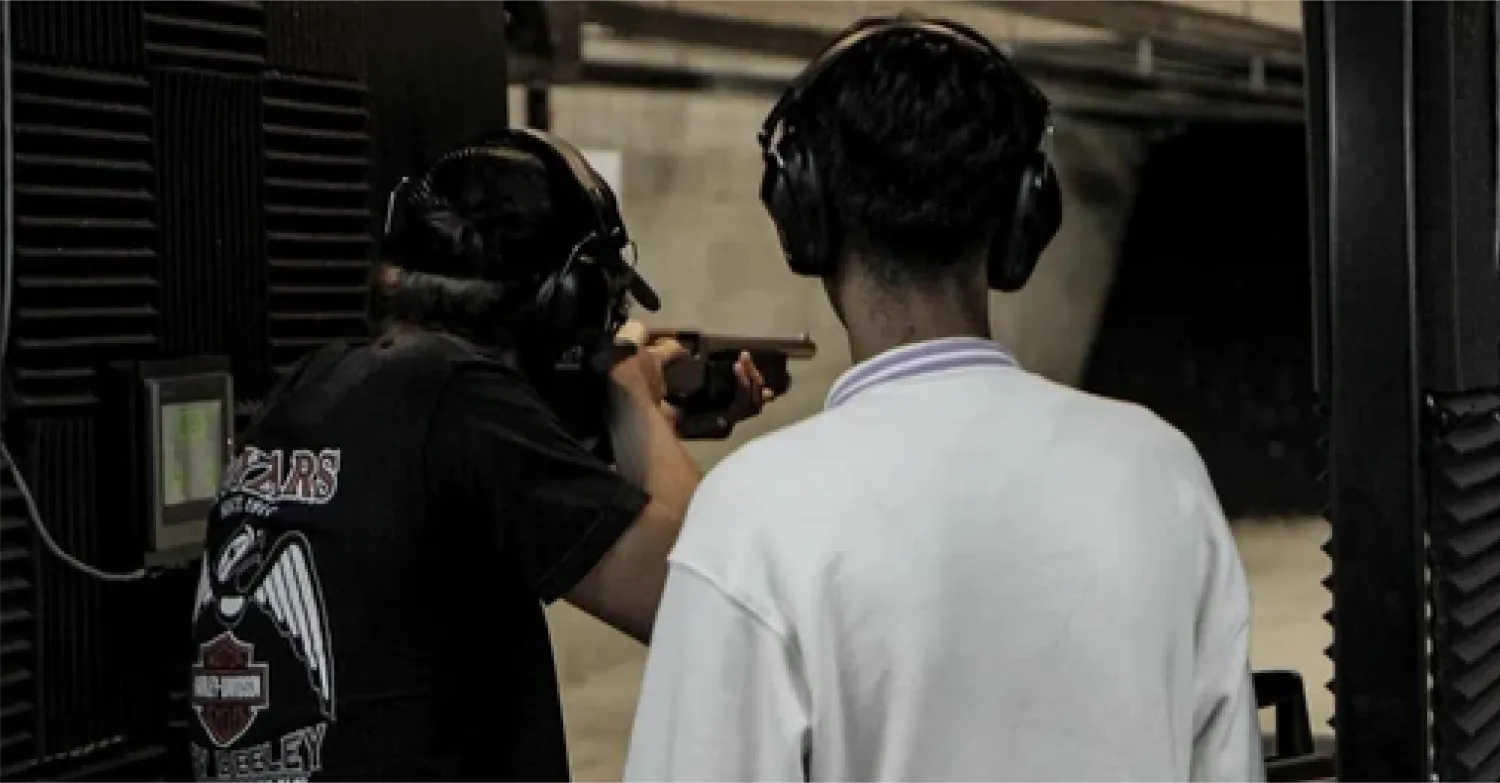
A Michigan CPL class-day checklist should do more than remind you to pack safety glasses. It should protect your attention. When identification, clothing, equipment, food, transportation, and range supplies are organized in advance, you can spend the day listening instead of solving preventable problems.
Michigan currently requires a qualifying pistol training program to contain at least eight hours of instruction, including a specified classroom component and at least three hours on a firing range. That is a full training day. Arriving tired, hungry, late, or unsure about equipment can make an already demanding experience harder.
This guide provides a timeline from registration through the end of class. Your provider’s instructions always control. If Range 313, another Michigan range, or an individual instructor gives a different requirement for a specific course, follow that confirmed list rather than a general article.
Before using any checklist, confirm the course
Make sure the program is represented as compliant with current MCL 28.425j. Michigan’s statute says qualifying training must occur within the five years before application and include at least eight hours.
The law currently describes five hours of instruction in safe storage and handling, ammunition knowledge, shooting fundamentals, pistol positions, firearms law, civil liability, use of deadly force, conflict avoidance, and laws applying to concealed carry. It also requires at least three hours of firing-range instruction and at least 30 rounds fired.
Read the complete statute in the official Firearms Laws of Michigan . Confirm the provider’s schedule, instructor, range location, price, and completion certificate before registering.
The registration checklist
Complete these items before placing the class on your calendar:
- Review the current Michigan CPL eligibility requirements .
- Confirm the course date, check-in time, start time, and expected end time.
- Ask whether every required portion occurs on the same day.
- Confirm the complete price and what it includes.
- Reserve a firearm rental if needed.
- Obtain the exact ammunition requirement.
- Ask whether targets are supplied.
- Confirm eye and hearing protection requirements.
- Request the cancellation, transfer, and late-arrival policies.
- Discuss accessibility, hearing, mobility, or language needs.
- Put the provider’s phone number in your contacts.
Training is one licensing requirement, not an eligibility ruling. If an individual legal issue may apply, contact the appropriate government authority or qualified Michigan counsel before paying.
Seven days before class
One week is enough time to resolve many common problems without panic.
Verify your identification
Ask which original, current photo identification the provider needs. Check the expiration date and the spelling of your legal name. A completion certificate containing a name error can complicate the next step.
Do not assume a photograph, scan, digital wallet, temporary paper document, damaged card, or expired identification will be accepted. Call and ask when your document is unusual.
Decide between a rental and personal pistol
If using a rental, confirm the reservation. Ask which ammunition is approved, where it must be purchased, what the rental costs, and whether protective equipment is included.
If using your own pistol, ask the provider to confirm it is permitted for the course. Review the manufacturer’s current instructions and verify that the firearm is in safe working order. Do not begin an unfamiliar modification immediately before class.
If function, condition, or compatibility is uncertain, contact a qualified gunsmith or the manufacturer. The class check-in line is not the ideal place to diagnose a mechanical concern.
Confirm ammunition exactly
Obtain the full cartridge designation and required quantity. Michigan law sets a minimum of 30 rounds for the qualifying program, but the course may require more. A provider may also set restrictions based on the range, curriculum, or rental.
Do not choose ammunition by approximate caliber, case appearance, or a friend’s suggestion. The firearm markings, manufacturer guidance, packaging, and provider’s policy must agree. Keep ammunition in its original packaging unless the provider instructs otherwise.
Seventy-two hours before class
Three days before class, review logistics.
Check transportation and parking
Save the address and estimate travel at the actual class time. Metro Detroit construction, bridge traffic, weather, and weekend events can change a familiar drive. Add a buffer so you are not tempted to speed or rush through check-in.
Range 313 is at 1125 Fort Street in Lincoln Park. Students coming from Detroit, Dearborn, Taylor, Southgate, Wyandotte, or another nearby city should still check the route on class day.
Plan food and water
Ask whether the course includes a meal break, whether food can be brought, and where it may be stored. Pack simple food that supports sustained attention and does not create a mess around training materials.
Bring water if permitted. Avoid excessive caffeine when it makes your hands shake or increases anxiety. Alcohol, cannabis, and impairing substances do not belong anywhere in the class-day plan.
Review health and medication needs
Plan required medication without creating impairment or distraction. If a medication affects alertness, coordination, hearing, vision, or judgment, discuss safe participation with the appropriate medical professional and provider. Rescheduling is better than concealing a condition that makes live fire unsafe.
Bring necessary items such as prescription eyewear, but ask how they interact with required protective equipment.
The night-before packing list
Pack methodically. Place ordinary items in one area and regulated equipment in another, following current transport law and provider instructions.
Documents and information
- Original current government-issued photo identification.
- Registration email or confirmation number.
- Provider address, phone number, and arrival instructions.
- Any permitted form the provider asked you to complete.
- Emergency contact information if required.
Do not bring sensitive documents that were not requested. A Social Security card, birth certificate, or collection of government records should not travel simply because you are unsure.
Classroom items
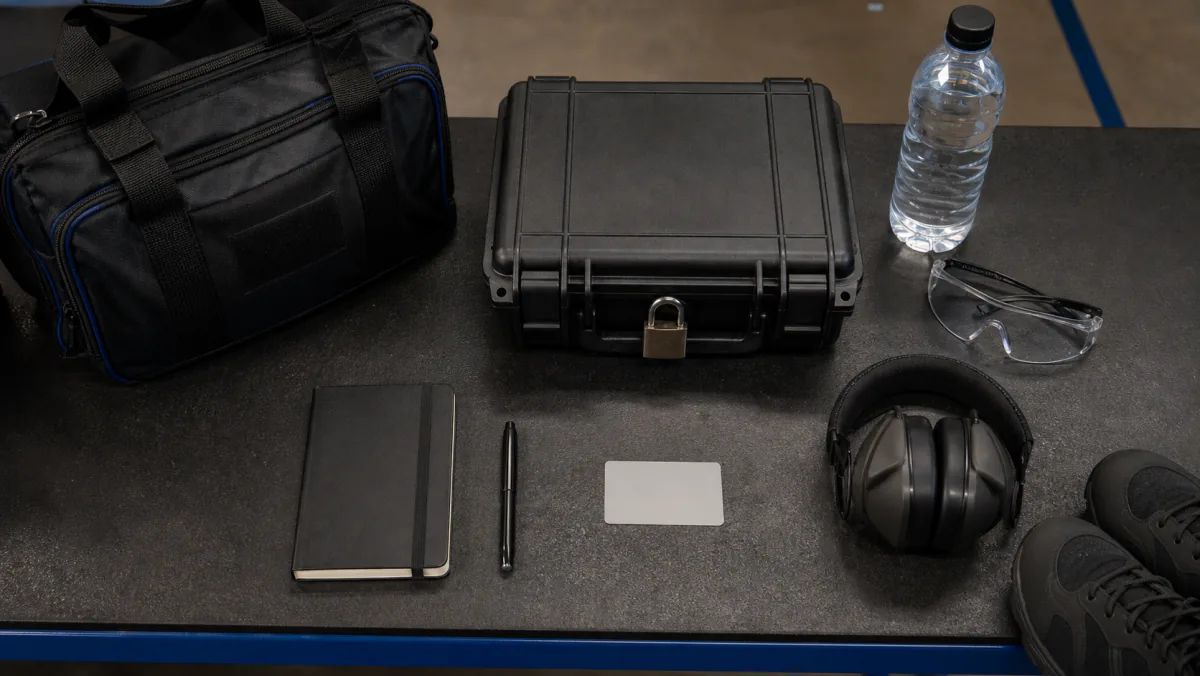
- Notebook.
- Two working pens.
- Water in a secure bottle.
- Permitted meal or snacks.
- Reading glasses if needed.
- A quiet way to check the time.
Use paper notes when phone use may distract the class. Put the phone on silent and tell family that you may be unavailable during instruction.
Range protection
- ANSI-rated or provider-approved eye protection, if required.
- Properly fitting over-ear or in-ear hearing protection.
- Backup foam plugs if the provider permits double protection.
- A simple lens cloth.
Try protection on before class. Eye protection should remain secure when you move your head. Earmuffs should seal without a hat, glasses temple, or hair breaking the fit more than necessary.
Personal pistol equipment, if approved
- The approved unloaded pistol.
- A secure case that closes completely.
- The exact approved ammunition in its packaging.
- Magazines requested by the provider.
- Any specific accessory on the confirmed list.
Do not add a holster, spare firearm, cleaning chemicals, loose ammunition, defensive ammunition, or other accessories unless the provider asks for them. More equipment creates more opportunities for confusion.
Keep the firearm secured and cased. Do not handle it in the parking lot, vehicle, lobby, classroom, restroom, or any location not designated by staff.
Rental-class items
If you reserved a rental, pack the reservation information and approved identification. Confirm whether ammunition, target, protection, and rental charges are paid in advance or at check-in.
Do not bring unapproved ammunition for a rental. The range determines what ammunition may be used in its equipment.
What to wear
Clothing should support safe movement and reduce distraction.
Choose:
- Closed-toe shoes with stable, nonslip soles.
- A close-fitting crew-neck shirt.
- Comfortable pants that allow a normal stance.
- Simple layers that can be removed before entering the lane.
- A cap only if permitted and compatible with protection.
Avoid:
- Sandals, heels, or unstable footwear.
- Low necklines that can catch hot brass.
- Loose scarves, long necklaces, or dangling accessories.
- Clothing that prevents a proper hearing-protection seal.
- Oversized sleeves or drawstrings near equipment.
- Anything you cannot wear comfortably for a full day.
Secure long hair. If hot brass enters clothing, keep the muzzle safely oriented and follow the instructor’s direction instead of turning or reaching unpredictably.
What not to bring
Leave these items out of the class plan:
- Alcohol.
- Cannabis.
- Illegal drugs.
- Any substance that impairs safe participation.
- Unapproved firearms.
- Unapproved ammunition.
- Loose loaded magazines unless expressly required and transported lawfully.
- Visitors, children, or pets without advance authorization.
- Cameras or recording equipment without permission.
- Political signs, provocative clothing, or anything that distracts from training.
A CPL course is a professional learning environment, not a social-media set or a place to display a collection.
The morning-of checklist
Before leaving home:
- Eat a normal meal.
- Hydrate.
- Confirm you are rested and unimpaired.
- Check the provider’s email or website for urgent updates.
- Review the route and weather.
- Confirm ID is in your wallet.
- Verify bags and cases are closed.
- Leave early.
Do not perform unnecessary firearm handling as a last-minute confidence check. If you discover a problem, keep the item secured and call the provider.
Arrival and check-in
Park, secure the vehicle, and follow facility signs. Leave cased equipment where directed until staff explain intake. Tell staff immediately if you have a rental, need an accommodation, brought equipment requiring approval, or have a safety concern.
Use the restroom before instruction begins. Silence the phone. Place water and notes where they will not spill or obstruct materials.
Listen carefully to facility rules even if you have visited another range. Range commands and procedures can differ. Familiarity is never permission to skip the briefing.
Classroom-attention checklist
During instruction:
- Write down official-source links.
- Mark questions for an appropriate break.
- Distinguish general education from personal legal advice.
- Avoid side conversations.
- Do not handle ammunition or firearms unless specifically directed.
- Tell the instructor if fatigue or a health issue develops.
- Return from breaks on time.
Michigan’s legal rules can change. The best note may be the address of the official page where a current rule is maintained. Michigan State Police provides a central firearms and CPL hub .
Range-transition checklist
Before entering the lane:
- Put on eye protection.
- Insert or fit hearing protection as directed.
- Secure hair and clothing.
- Remove unnecessary objects from hands and pockets.
- Listen to the range briefing.
- Identify the safe direction.
- Know how to request help.
Do not uncase a pistol until directed at the approved station. Keep your trigger finger indexed outside the trigger guard. If any instruction is unclear, stop before acting.
Live-fire checklist
On the firing line:
- Follow only the instructor’s current command.
- Maintain the designated safe muzzle direction.
- Keep the trigger finger outside the guard until instructed and ready.
- Use the grip and stance taught in class.
- Fire at the assigned target only.
- Stop immediately on a cease-fire or safety command.
- Keep the pistol safely oriented during any problem.
- Ask for help instead of guessing.
Do not compare your speed or target to another student. Safe, controlled participation is the purpose. Fatigue can appear late in the range portion, so continue applying the same discipline through the final round.
Certificate-review checklist
After successful completion, inspect the certificate before leaving. MCL 28.425j specifies information and statements for the document.
Check:
- Your legal name is spelled correctly.
- The instructor name is present.
- Required instructor contact and certification information is present.
- The certificate contains the required compliance statement.
- Signatures and dates appear as required.
Ask how the original should be preserved. Do not post a clear image of the certificate online; it contains personal and instructor information.
After-class checklist
Within the next day:
- Store the certificate securely.
- Write down skills that need practice.
- Save links to current official application instructions.
- Review the application process for your county of residence.
- Plan secure firearm storage.
- Schedule appropriate continued training or range time.
Michigan State Police says eligible applicants file with the county clerk in the county where they reside, include the training certificate, pay applicable government fees, and complete required fingerprinting steps. Review the current application and instructions page .
Course completion is not a license. Do not carry concealed under CPL authority unless and until a valid license has been issued and is in effect.
A printable short version
Use this condensed list after confirming it against your provider’s instructions:
- Eligibility page reviewed.
- Date, time, location, and price confirmed.
- Original current photo ID packed.
- Rental reserved or personal pistol approved.
- Exact ammunition confirmed.
- Eye and hearing protection fitted.
- Closed-toe shoes and crew-neck shirt selected.
- Notebook, pens, water, and permitted food packed.
- Route and parking checked.
- Phone silenced and family notified.
- Firearm remains secured until directed.
- Certificate checked before leaving.
- Official application instructions reviewed afterward.
Prepare for the class, then stay present
The purpose of preparation is to make the checklist disappear once class begins. When the details are handled, you can listen, ask thoughtful questions, and follow range commands without worrying about a missing item.
For a Michigan CPL class in Lincoln Park, visit the Range 313 CPL Classes page . The course is $79.99 every Saturday at 10am, including a firearm rental and ammunition, with no hidden class fees. No advance sign-up is required, walk-ins are welcome, and successful students receive their certificate in hand the same day.