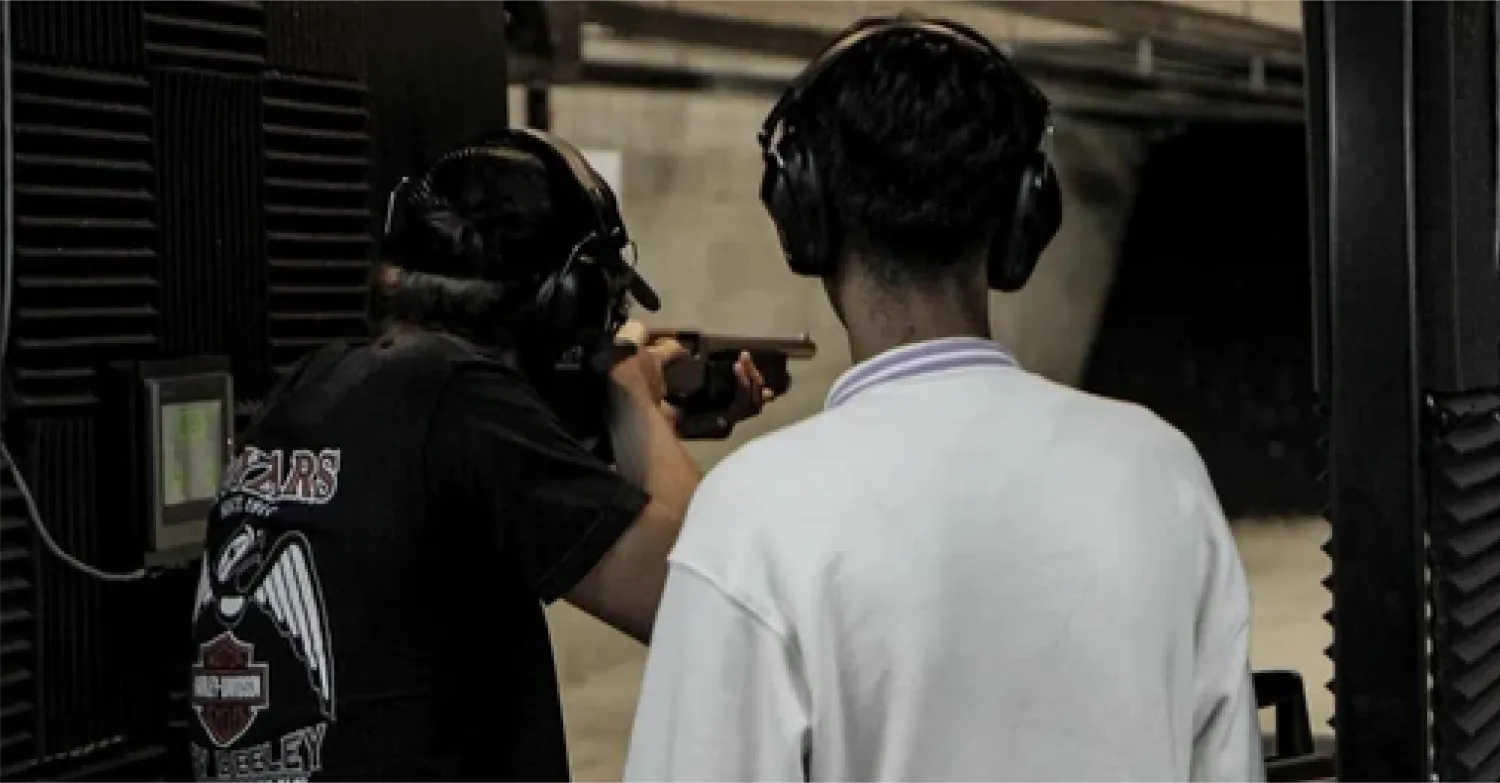

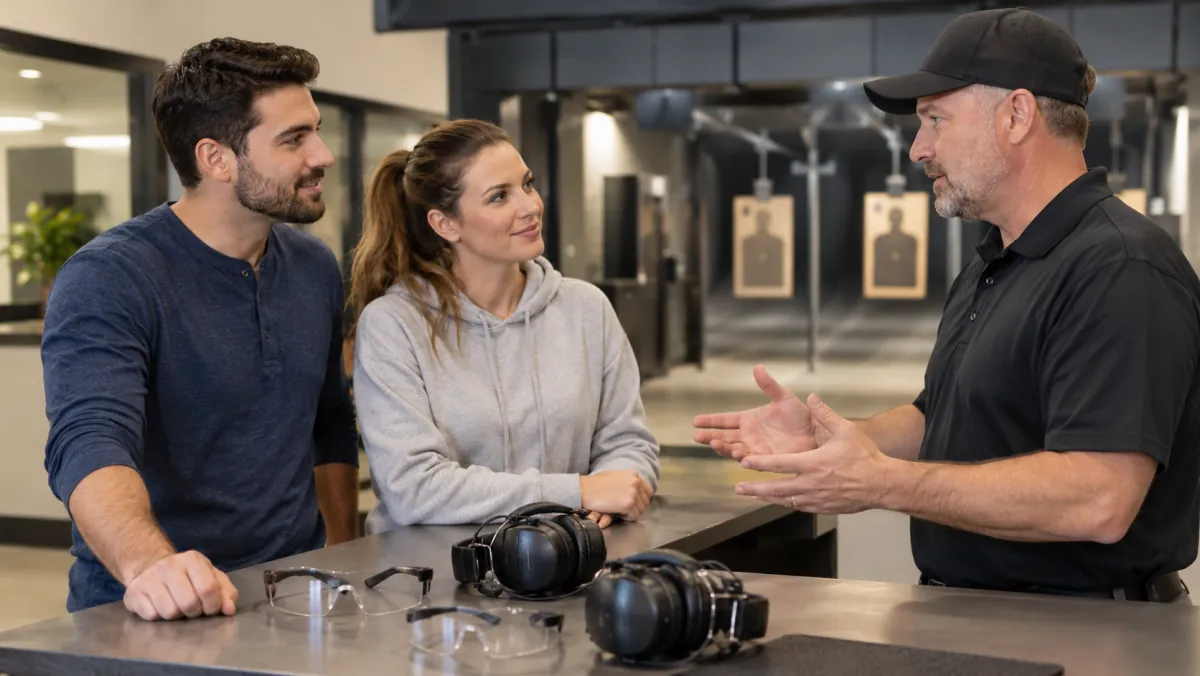
“You should come to the range with me sometime” is an easy invitation to make. Turning it into a good first experience takes more thought. Your friend may be curious, uncertain, or simply willing to try something you enjoy. They may also have questions they do not want to ask in front of other people.
When introducing a friend to shooting in Michigan, your most useful role is often organizer and supportive companion. You can help them understand the plan, connect them with qualified instruction, and remove social pressure. You do not have to deliver the entire lesson yourself to make the invitation meaningful.
The first visit should leave your friend with a clearer understanding of the activity and their own preferences. Whether they want another lesson afterward is their decision. Here is how to create a thoughtful introduction from the first conversation through the drive home.
Make the invitation specific enough to answer honestly
Instead of asking whether someone wants to “try shooting,” explain what you have in mind. Describe an indoor range visit with an instructor, required protective equipment, a safety orientation, and time to ask questions. Say that you will confirm the details before booking anything.
Then give them room to respond. A hesitant answer is not a challenge to overcome with more persuasion. Ask what they would want to know before deciding, and be comfortable if the answer is that the activity does not interest them. Friendship does not create an obligation to participate in your hobbies.
Avoid making it a surprise destination. A person should be able to consider the environment, eligibility questions, clothing, cost, and their own comfort beforehand. A gift or celebration can still feel special when the recipient has agreed to the activity. In fact, choosing it together often produces a better plan.
Find out what “first time” actually means
Someone may have handled a firearm once years ago, watched others at an outdoor range, or taken a classroom lesson without live fire. Those experiences are different. Let your friend describe their background rather than filling in the story for them.
Ask which parts are unfamiliar. Noise, terminology, recoil, being watched, or uncertainty about the rules may each require a different explanation. You do not need to settle every concern yourself. Write down the questions that should go to the provider or instructor.
Avoid presenting your own first experience as a universal prediction. Saying that you felt comfortable immediately may be true, but it can make another person feel they should hide a different reaction. A more useful approach is to explain that the instructor can help establish an appropriate pace and that asking questions is part of the visit.
Call the range before assembling the outing
Tell staff that you are bringing an adult beginner and want suitable instruction. Ask about availability, identification, rental eligibility, supervision, protective equipment, and the amount of time to allow. Clarify whether you can accompany the lesson and what your role will be.
Do not assume that renting a lane automatically includes a dedicated instructor. A general orientation, staff supervision of the range, and a booked lesson may be different services. Ask the provider to describe what is included so you can choose the level of support your friend needs.
For Range 313, use the range information and contact page as starting points. Explain both people’s experience levels. If either visitor has a legal eligibility question, resolve it through the appropriate sources before attending; another person’s invitation cannot establish eligibility.
Set the budget without creating a debt of gratitude
Money can create subtle pressure. If you are paying, make clear what you intend to cover and ask about the provider’s cancellation or rescheduling policy before booking. Your friend should not feel required to continue an activity simply because you mention how much it cost.
If you are splitting expenses, provide a realistic estimate based on the facility’s current information. Ask about lane time, rentals, ammunition, protection, instruction, and any other required charges. Avoid quoting only the smallest advertised number when the planned visit includes several additional items.
Set a reasonable scope for the first experience. There is no need to arrange a large package just because it sounds generous. A manageable lesson with appropriate support may be more valuable than a long session with several unfamiliar firearms. Our range cost guide explains the categories to ask about.
Let the instructor lead the learning
Once instruction begins, step back from the teaching role. The beginner should hear a consistent explanation and know whose directions to follow. Even accurate advice can become confusing when two people speak at once or use different terms for the same thing.
Ask staff where you should stand or wait, and follow the arrangement. Do not reach into your friend’s space, adjust their equipment, or handle a firearm to illustrate a point without the instructor’s direction. Being nearby does not make you part of the supervision team.
You can help by listening carefully and avoiding distractions. If you notice that your friend looks confused, encourage them to ask the instructor rather than trying to provide a parallel explanation. After the lesson, you can discuss what you both heard. During the activity, a clear chain of instruction matters more than demonstrating your own experience.
Make comfort and fit individual decisions
Do not choose equipment for your friend solely because you like it. Hand fit, familiarity, protective gear, and the lesson format should be assessed by the instructor. A firearm that suits your regular visits may not be the most appropriate introduction for someone else.
Ask about suitable rentals before bringing personal equipment into the plan. If you intend to use your own equipment, confirm the facility’s policies and follow its directions for transport and check-in. Keep cases closed until staff directs otherwise.
The same individual approach applies to hearing and eye protection. A spare pair of earmuffs may be useful, but it still needs to fit and meet the range’s requirements. Ask staff to help assess the complete setup. Your friend should not spend the session accepting an uncomfortable fit because they do not want to seem ungrateful.
Give them a clear way to pause
Before the session, ask the instructor how a student should request help or stop safely. Make sure your friend understands that process. The decision should not depend on getting your attention first or negotiating with you while trying to follow range commands.
Respect a request to pause without turning it into a public discussion of courage or disappointment. Staff can determine what happens next within the facility’s procedures. A person may need clarification, a break, a different instructional approach, or an end to participation that day.
Do not promise alternatives that the facility has not approved. Observation from a particular area, a partial refund, or a return lesson may or may not be available. Confirm relevant policies beforehand so that your support can be honest and practical if the plan changes.
Keep comparison out of the first lesson
An experienced friend can accidentally turn a lesson into a demonstration. Showing your own results, adding challenges, or encouraging the beginner to match someone in the next lane shifts attention away from learning. Let the instructor choose the appropriate activities and pace.
Comment on useful behavior rather than performance you are not qualified to assess. You can appreciate that your friend asked for clarification or spoke up about an uncomfortable fit. Avoid declaring someone ready for independent practice based on a single target or a short session.
If your friend enjoys the experience, there will be time to discuss future goals. The first visit does not need to establish a preferred firearm, a membership plan, and a regular practice schedule. Too many decisions can make a simple introduction feel like the first step in a commitment they never agreed to make.
Treat photos as optional and private by default
Ask the facility about its photography rules and ask your friend whether they want pictures at all. Do not assume that willingness to attend includes permission to post the experience online. Some people prefer to keep recreational activities separate from their public profile or workplace.
If photography is allowed, follow staff direction and choose appropriate moments that do not interrupt instruction. Never request a dramatic handling pose or ask someone to repeat a movement for a camera. The lesson should determine the activity, not the image you hope to capture.
A photo outside the firing area, if permitted, can be enough. So can no photo. You can remember a shared experience without recording the parts that require concentration, and your friend may appreciate being able to learn without feeling watched through a phone.
Leave time for a calm conversation afterward
Finish the range’s return, cleanup, and hygiene procedures before moving on to another activity. Account for equipment and follow the appropriate transport and storage plan. Avoid scheduling a meal or event so tightly that these steps become rushed.
Then ask a simple question: “What was the experience like for you?” Listen before offering your assessment. Your friend may have enjoyed the classroom explanation more than the shooting, found one part unexpectedly difficult, or decided they want a private lesson next time.
Do not interpret every concern as a request for persuasion. A mixed reaction is useful information. It can guide a different format, a slower introduction, or a decision not to continue. The success of the invitation lies in giving someone an informed, supported choice rather than securing another regular range companion.
Build the next step around their interest
Consider two possible outcomes. One friend wants another supervised session to feel more comfortable with the basics. Another feels satisfied with having tried the activity once. Both can be positive results when the first visit was planned honestly and conducted responsibly.
If your friend wants to continue, help them contact the provider directly so they can explain their own goals. Let them choose whether you attend again. A growing interest in training should belong to the learner rather than remain dependent on the person who first invited them.
For an introduction near Detroit or Downriver, contact Range 313 to discuss a beginner-friendly plan at the Lincoln Park location. Bring clear questions, confirm the arrangements, and allow qualified instruction to do its work. Your contribution is the thoughtful invitation and the freedom for your friend to decide what comes next.