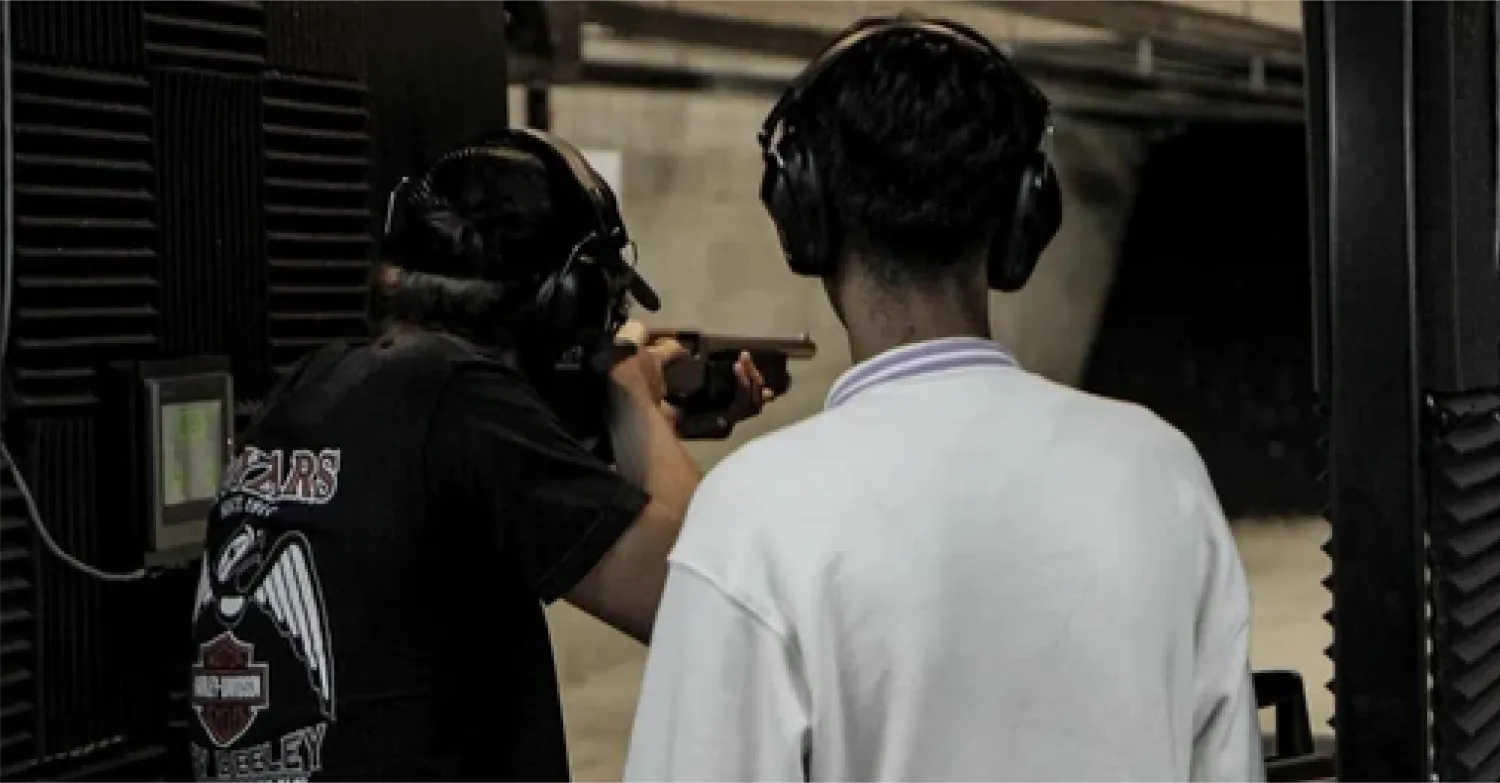
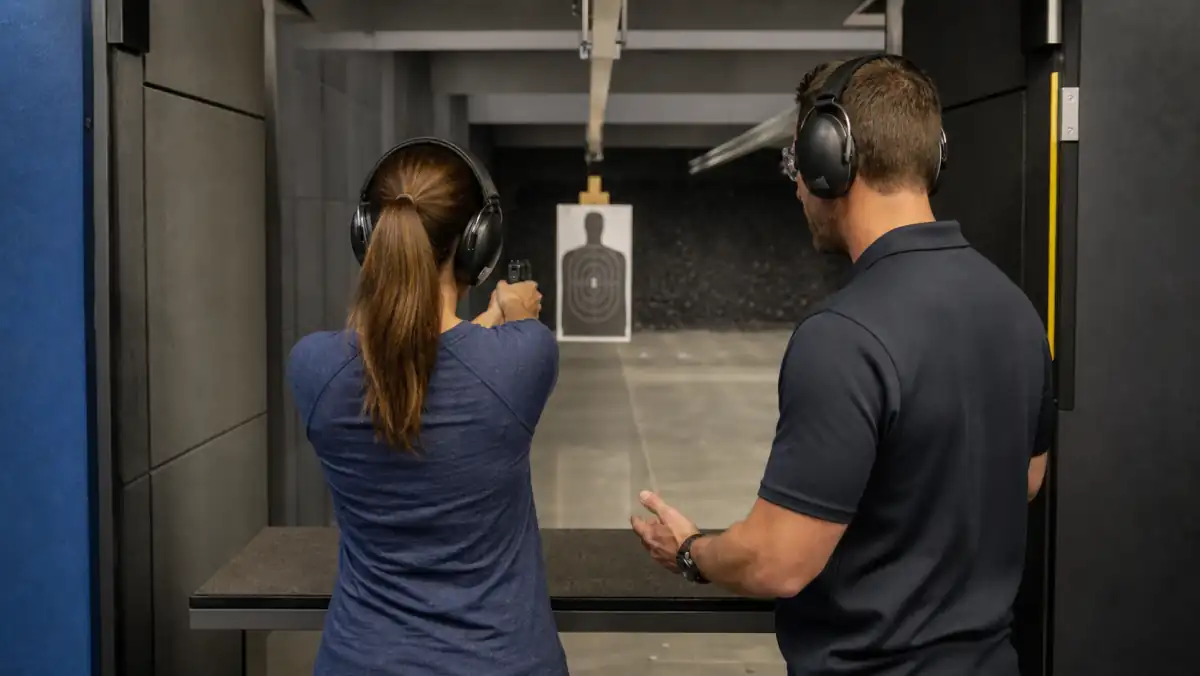
An indoor shooting range Michigan visitors can use comfortably should feel organized, safety-focused, and welcoming from the moment they enter. If you have never visited a range, the unfamiliar sounds, equipment, and procedures can make the first trip seem complicated. In reality, a well-run indoor range follows a clear sequence: check in, review the rules, prepare your equipment, enter the lane, and follow staff direction. Knowing that sequence before you arrive makes it easier to focus on safe habits and a productive experience.
This guide explains how to plan a visit, what to bring, what happens at check-in, how range commands work, and how to choose the right type of support. It is written for Michigan residents, Canadian and international visitors, new firearm owners, and experienced shooters who want a reliable indoor practice option in the Downriver area.
Why choose an indoor shooting range in Michigan?
Michigan weather is a practical reason to train indoors. Cold winters, rain, wind, humidity, and rapidly changing temperatures can all affect comfort and concentration outdoors. An indoor facility provides a more controlled setting where lighting, target distance, lane boundaries, and shooting conditions remain consistent throughout the year.
Consistency is especially useful for beginners. At an indoor shooting range Michigan visitors can concentrate on foundational behavior without also managing mud, wind-blown targets, or a cold firing line. Experienced shooters benefit too: controlled distances make it easier to compare results from one session to the next and to work on a defined practice plan.
Indoor ranges also place staff nearby. A range safety officer or trained team member can explain a rule, check whether a firearm is appropriate for the facility, and help resolve an equipment issue. That direct access to support is one of the most important differences between structured range practice and informal shooting on private land.
The Michigan Department of Natural Resources shooting overview recognizes that ranges serve people with different ages, abilities, and experience levels. Individual facilities establish their own operating rules, allowed equipment, and visitor policies, so always review the rules of the specific range you plan to visit.
What to check before your visit
A few minutes of preparation can prevent most first-visit surprises. Start with the facility’s current hours, age policies, identification requirements, ammunition restrictions, and rental availability. Range 313 is open daily from 10 a.m. to 9 p.m., but calling ahead can still be useful if you need a particular rental or want to discuss a group visit.
Ask these questions before leaving home:
- Are walk-ins accepted, or is a reservation required?
- What government-issued identification is accepted?
- Are minors permitted, and what supervision is required?
- Can eye and ear protection be rented or purchased?
- Which firearm types and calibers are allowed?
- Is outside ammunition permitted, and are any projectile types prohibited?
- Are rental firearms available to someone in your party?
- Is instruction available for a first-time shooter?
Do not assume every indoor shooting range Michigan facility follows identical policies. Rules reflect the range design, backstop, ventilation system, insurance requirements, and local operating procedures. Confirming the details protects your time and helps staff prepare for what you need.
For Range 313 specifics, review our indoor range information or contact the Range 313 team before your trip.
What to bring to the range
Bring a valid photo ID and wear practical clothing. A crew-neck shirt helps reduce the chance of hot brass falling inside a collar. Closed-toe shoes provide better coverage than sandals. Avoid loose scarves, dangling jewelry, or clothing that could interfere with eye protection or safe equipment handling.
If you own appropriate eye and hearing protection, bring it. Clear or lightly tinted impact-rated glasses generally work well indoors. Hearing protection should fit securely and remain in place throughout the live-fire portion of the visit. Some regular shooters use both properly inserted foam earplugs and earmuffs indoors because firearm discharge produces intense impulse noise.
The CDC’s National Institute for Occupational Safety and Health notes that indoor firing ranges can expose users and workers to hazardous noise and recommends strong hearing-conservation practices. Its guidance on reducing lead and noise exposure at indoor ranges also reinforces the importance of ventilation, hygiene, and appropriate protective equipment.
If you are bringing your own firearm, transport and store it in accordance with current law and range policy. The Michigan DNR publishes general information about transporting firearms in Michigan , but that page is not a substitute for advice about your particular circumstances. Keep the firearm secured and cased until staff direct you to uncase it at the proper location.
What happens at check-in
At check-in, expect staff to verify identification, explain pricing, confirm what equipment you are using, and provide the facility’s rules or waiver. Read everything rather than treating the paperwork as a formality. Range rules define where firearms may be handled, how they enter and leave the lane, which targets are allowed, and what to do during a cease-fire or equipment problem.
Tell the staff about your experience level honestly. Saying “This is my first time” is useful information, not an admission that you do not belong. It allows the team to slow down, explain unfamiliar terms, and recommend the appropriate next step. If you are not comfortable handling a firearm independently, ask about structured firearms training courses instead of trying to learn by watching another visitor.
An indoor shooting range Michigan check-in may also involve reviewing rental options. A rental is an opportunity to experience different sizes and operating systems under controlled conditions, but it does not replace instruction. Ask staff to explain the controls and facility-specific handling procedure before you enter the firing line.
The safety orientation matters
Every responsible visit begins with the same core ideas: keep the muzzle pointed in a safe direction, keep your finger outside the trigger guard until you are prepared to fire, treat every firearm as if it is loaded, and know your target and what is beyond it. The exact wording may vary, but the behavior should remain consistent.
During orientation, listen for rules about:
- Where firearms may be uncased.
- When magazines may be loaded.
- How targets are placed or retrieved.
- What commands staff use.
- How to request assistance.
- What to do if a firearm does not operate as expected.
- Whether rapid fire, drawing from a holster, or other activities are restricted.
The Michigan DNR range rules provide a useful example of formal range discipline: firearms remain pointed safely, eye and ear protection are required, and shooters must respond immediately to range commands. A private indoor facility will have its own rules, and those posted rules control your visit.
Understanding the lane and range commands
Once you enter the live-fire area, keep your protective equipment on. Do not remove hearing protection because the lane beside you appears quiet; another shooter may fire without warning. Place your belongings where staff direct and keep the shooting bench free from unnecessary items.
Common commands include “cease fire,” “stop,” or direct instructions from a range officer. If you hear a command to stop, stop immediately, keep the muzzle safely oriented, remove your finger from the trigger area, and wait for instructions. You do not need to diagnose the reason before complying.
If something feels wrong—an unusual sound, unexpected recoil, a control you cannot identify, or uncertainty about the firearm—keep it pointed downrange and ask staff for help. Do not turn around with it in your hands. Good range behavior is calm and deliberate rather than hurried.
At an indoor shooting range Michigan staff can often see multiple lanes at once. Their corrections may sound direct because clarity is essential around live firearms. Treat a correction as useful safety information and respond without argument.
Planning a productive practice session
More ammunition does not automatically create a better session. Decide what you want to accomplish before you start. A beginner might focus on following instructions, maintaining a stable stance, and producing a small number of deliberate shots. A returning shooter might work on consistent sight alignment or compare two types of equipment.
Use a simple session structure:
- Begin with a safety and equipment check.
- Use a close, appropriate target distance.
- Fire small, deliberate groups.
- Pause to assess the target and your comfort.
- Ask for feedback when results are inconsistent.
- Finish before fatigue degrades attention.
Avoid copying fast-paced drills you see online. A drill must match your current ability, the facility’s rules, and the purpose of your training. Quality repetitions build more useful habits than rushing through ammunition.
Indoor range health and hygiene
Indoor range design should move contaminated air away from shooters and downrange. Visitors also have a role in reducing exposure. Do not eat, drink, smoke, or apply cosmetics on the firing line. Wash your hands and face with cold water and soap after shooting, especially before eating. Change clothes after a long session and keep range footwear or equipment away from areas where young children play.
NIOSH explains that lead particles can come from primers and ammunition and can settle on hands and surfaces. Its indoor firing range safety overview describes both inhalation and hand-to-mouth exposure pathways. These precautions are not a reason to avoid a properly managed range; they are part of responsible range hygiene.
Ask how the facility manages ventilation and cleanliness if you plan to shoot frequently. A professional range should be able to discuss its procedures without dismissing the question.
Rentals, personal firearms, and choosing support
Bringing your own firearm lets you practice with familiar equipment. Renting can help a prospective buyer understand basic differences before making a purchase. In either case, do not select equipment based only on appearance, caliber reputation, or what another person prefers.
Fit, manageable operation, purpose, and the ability to receive qualified instruction matter more. A firearm that is uncomfortable or difficult to control can distract from learning. Range staff can help narrow options, but purchasing decisions should be made carefully and only after confirming all legal requirements.
Federal firearm transfers through licensed dealers generally involve identification, required records, and a background check. The FBI overview of the National Instant Criminal Background Check System explains the federal system. Michigan requirements can add separate obligations, so consult current official sources and a qualified professional.
How long should a first visit last?
A first visit does not need to be long. Orientation, setup, and 30 to 60 minutes of deliberate lane time may be plenty. Noise, concentration, and unfamiliar equipment can create fatigue faster than expected. Stop when attention declines, your hands become tired, or you feel rushed.
Plan extra time for check-in and questions. Arriving shortly before closing can create unnecessary pressure. If the range is busy, wait times may vary, so a flexible schedule helps.
For repeat visits, consistency matters more than marathon sessions. A modest session every few weeks can support stronger habits than one exhausting trip every several months. A Range 313 membership may be useful if regular practice fits your goals.
Choosing the right Michigan range
The best indoor shooting range Michigan option for you is not simply the closest building. Look for clear rules, attentive staff, clean lanes, visible safety practices, strong ventilation, appropriate equipment policies, and a culture where questions are welcome.
Consider whether the range offers the services you may need later: introductory courses, pistol and rifle lanes, rentals, membership plans, group coordination, retail support, or gunsmithing. A facility that can support your next step makes it easier to build a consistent relationship rather than starting over every visit.
Range 313 brings indoor lanes, training, memberships, firearm services, and retail support together in Lincoln Park. Walk-ins are welcome, and our team works with visitors across experience levels. The goal is not to make a first visit feel impressive; it is to make it safe, understandable, and worth repeating.
Final indoor shooting range Michigan checklist
Before leaving home, confirm the hours and policies, bring valid identification, wear closed-toe shoes and a suitable shirt, and secure any personal equipment correctly. At the facility, disclose your experience level, read the rules, keep protection in place, and follow every staff command immediately. After shooting, wash thoroughly and store your equipment responsibly.
An indoor shooting range Michigan visit should replace uncertainty with a clear process. Preparation lets you spend less energy wondering what happens next and more energy listening, learning, and practicing responsibly.