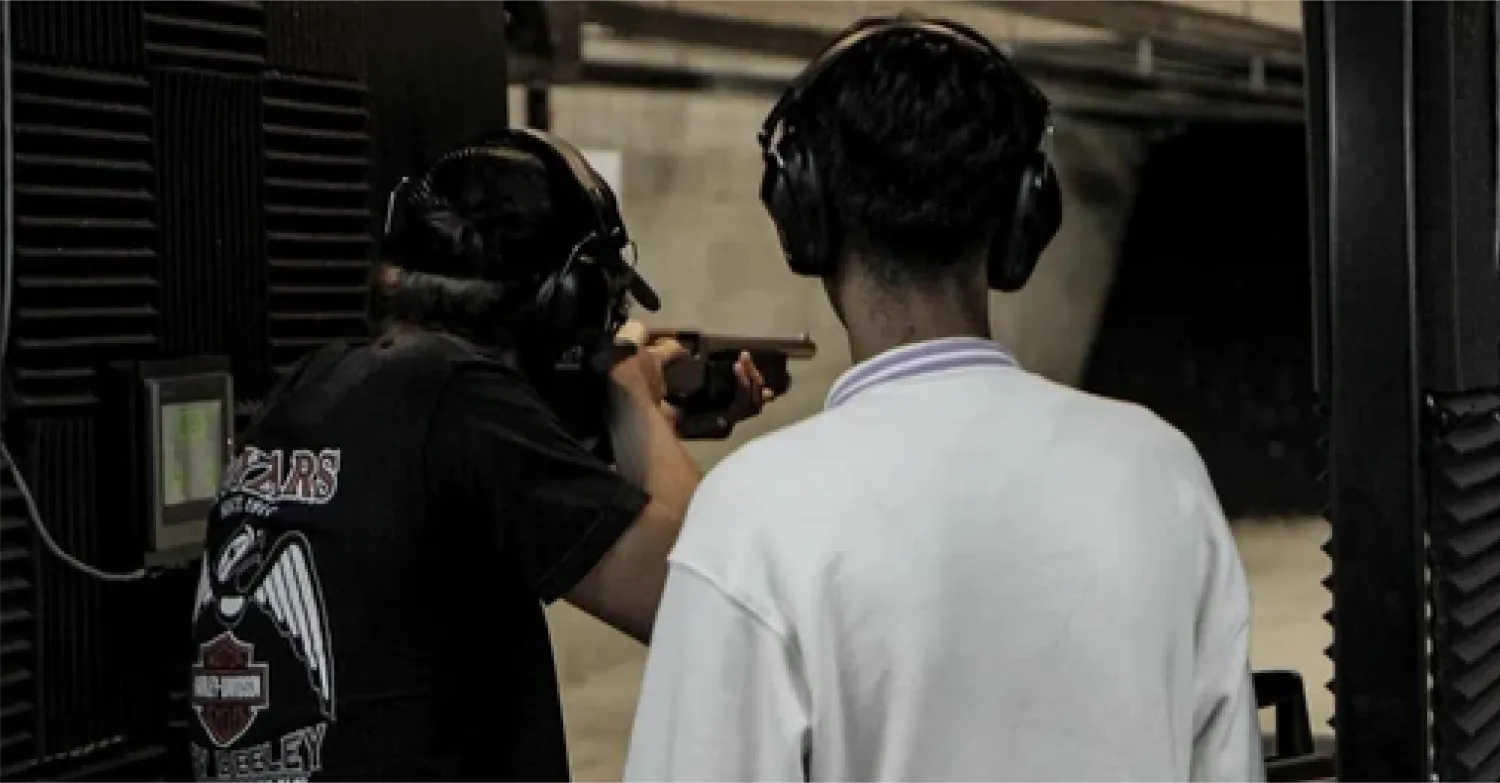
How long does a shooting range visit take? A prepared regular may complete a focused session in less than an hour, while a first-time visitor should often reserve 90 minutes to two hours from parking to departure. Lane time is only one part of the visit. Check-in, identification, waivers, orientation, rentals, protective equipment, target setup, breaks, and cleanup all use time.
Range 313 offers half-hour and hourly range rentals in Lincoln Park. The right choice depends on experience, equipment, group size, and the purpose of the session. This guide helps you choose a realistic block without rushing safety or paying for more time than you can use productively.
Think in total visit time and lane time
When someone says they spent an hour at the range, they may mean an hour of paid lane access or an hour from entering the door to leaving the parking lot. Those are different schedules.
Total visit time can include:
- Parking and gathering belongings
- Waiting at check-in
- ID review and waivers
- Rules and safety orientation
- Rental selection and model-specific explanation
- Fitting eye and hearing protection
- Target and lane setup
- Live-fire practice
- Breaks and equipment adjustments
- Returning rentals and cleaning the lane
- Handwashing and final bag check
Ask when the paid lane clock begins. Some steps may happen before the lane assignment, while other setup occurs after the timer starts. Arriving early gives you room to listen instead of watching the clock.
Quick planning table
Use these ranges as practical starting points, not promises.
| Visitor type | Likely lane choice | Total time to reserve |
|---|---|---|
| Experienced owner with prepared equipment | 30–60 minutes | 60–90 minutes |
| Returning rental visitor | 60 minutes | 75–105 minutes |
| First-time shooter | 60 minutes plus orientation or lesson | 90–120 minutes or course schedule |
| Couple sharing one lane | 60 minutes | 90–120 minutes |
| Family or small group | 60–90 minutes or package | 2–3 hours |
| Cross-border Canadian visitor | 60 minutes | Range block plus flexible border and travel time |
A special event, formal class, busy weekend, or detailed equipment service may require a longer reservation.
When a 30-minute range session works
A half-hour lane can be useful when the shooter arrives ready, understands the facility, and chooses one narrow goal. Examples include confirming that an optic maintained zero, checking function after approved maintenance, firing several deliberate groups, or refreshing one familiar fundamental.
The session should already be organized:
- Firearm inspected and cased
- Approved ammunition in original packaging
- Eye and hearing protection checked
- Target selected
- ID and payment accessible
- One written practice goal
- No unfamiliar equipment to learn
Thirty minutes is rarely the best first-visit choice. A rental explanation, waiver, lane-control lesson, and initial questions can consume much of the available attention even if they occur before the paid clock.
Do not respond by speeding up. Fire fewer deliberate rounds and finish safely. The goal is not to empty a box before time expires.
What fits into a focused 60-minute lane session
One hour is the most flexible block for an individual or couple. It allows time to establish the lane, settle into a safe pace, take a short break, and finish without an abrupt rush.
A useful hour might look like this:
Minutes 0–10: setup and first group
Place approved equipment where the range permits, hang the target, confirm the lane controls, and review the goal. Begin with a slow group to assess comfort, sights, and basic function.
Minutes 10–25: controlled practice
Work on one variable at a time. That could be consistent grip, visual focus, smooth trigger movement, or recovering the sights between shots. Keep groups small enough to evaluate.
Minutes 25–35: break and review
Put the firearm in the safe condition required by the range, step back appropriately, hydrate outside the live-fire area, and examine the target. A short break can restore hearing comfort and attention.
Minutes 35–50: repeat with one adjustment
Apply one clear change based on the first groups. Avoid rebuilding the entire technique mid-session. If the same problem continues, note it for an instructor.
Minutes 50–60: final group and safe exit
Finish before the final minute. Unload and case as directed, collect approved belongings, return the target carrier, and inspect the lane. Leave enough time to respond calmly if staff calls a cease fire.
This structure makes 60 minutes feel substantial without encouraging a high round count.
Why first-time visits take longer
A beginner is learning the facility and the equipment at the same time. That adds necessary steps:
- Explaining the four core safety rules
- Learning range commands
- Fitting eye and hearing protection
- Understanding lane boundaries and target controls
- Selecting a manageable rental
- Learning that model’s controls
- Practicing loading and unloading procedures
- Understanding how to request help
- Taking more frequent breaks
Basic assistance may be enough for a person who can safely operate under the range’s policy. Someone who cannot yet maintain muzzle direction, trigger-finger discipline, or control of the firearm needs structured instruction, not a longer unsupervised lane rental.
Review the beginner firearms safety class guide and ask Range 313 which starting option fits your experience.
Rental selection uses part of the visit
Rental visitors should not choose equipment solely from a picture or caliber label. Staff may need to explain fit, controls, approved ammunition, loading, unloading, and malfunction response. Comparing several models adds more time.
If the goal is simply to experience a range, choose one suitable rental and learn it well enough to stay safe. If the goal is a meaningful purchase comparison, reserve a longer session and use a written scorecard for grip reach, control access, recoil comfort, sight visibility, and reliability.
Call ahead when a specific rental is important. Inventory can change, and the desired model may be unavailable or restricted under current policy.
The try before buying guide provides a careful comparison process.
Couples and lane sharing
Two people sharing a lane do not each receive a full hour of trigger time. They also need transition time. The safest rotation is deliberate: one person handles the firearm while the other remains in the approved position, then the firearm is made safe before roles change.
An hour may be enough for a prepared couple using one familiar setup. Beginners, multiple rentals, or frequent coaching questions can justify 90 minutes or a private lesson.
Do not let the waiting partner create pressure. The active shooter should finish the group, make the firearm safe, and transition according to staff instructions. Speeding up to make the split “fair” reduces the value for both people.
Our Detroit shooting range date guide explains how to plan a calm, voluntary outing for two.
Groups need more structure, not only more minutes
Adding people increases ID checks, waivers, equipment fitting, safety questions, lane assignments, and transitions. Simply buying a longer lane block may not solve the coordination problem.
For birthdays, corporate outings, bachelor or bachelorette events, reunions, or family visits, contact Range 313 through the package page . Provide the number of participants, ages, experience levels, preferred date, rental needs, and observers.
Allow time for a group-wide orientation before splitting into lanes. Keep every participant within the range’s supervision and occupancy rules. Alcohol and impairing substances must remain completely separate from the activity.
Busy periods can change the schedule
Walk-in access does not guarantee zero wait. Weekends, evenings, holidays, poor weather, classes, private events, and maintenance can affect lane availability.
Call before a time-sensitive visit and ask:
- What is the current or typical wait at that time?
- When should a first-time guest arrive?
- Does the lane clock start at assignment or after setup?
- Can a half-hour be extended if space remains?
- Is there a last time for new lane check-ins?
- Are any lanes reserved for a class or event?
Range 313 currently lists daily hours of 10 a.m. to 9 p.m. and accepts the last guests at 8:15 p.m. Do not plan to arrive at 8:14 and expect a full, relaxed hour. Confirm current hours on the contact page .
Cross-border visitors need a separate travel clock
A Windsor visitor should never combine border time and range time into one estimate. The day includes U.S. entry, the drive to Lincoln Park, the range visit, the return drive, and Canadian inspection. Waits can change in either direction.
Build a flexible day around the range’s last check-in. Check current crossing conditions, bring valid documents, and call if a delay affects arrival. Leave personal firearms and ammunition at home unless fully authorized, and ask about eligible on-site rentals.
Our shooting range near Windsor planning guide includes a full cross-border itinerary and current crossing resources.
Fatigue sets the useful limit
More time is not automatically better. Indoor impulse noise, concentration, standing posture, repeated recoil, visual effort, and protective-equipment pressure can become tiring. Accuracy and safety awareness may decline before the paid clock ends.
Signs to stop include:
- Repeatedly forgetting the planned sequence
- Losing consistent muzzle awareness
- Allowing the trigger finger to enter early
- Struggling to hear or follow staff direction
- Shaking, headache, irritability, or mental fog
- Chasing poor groups with faster shooting
- Repeated equipment mistakes
Make the firearm safe and ask staff for help. Ending ten minutes early is better than using time that no longer produces safe practice.
How to make a short visit more productive
Preparation protects lane time:
- Confirm hours and availability.
- Bring current ID.
- Wear suitable clothing.
- Inspect personal protection and equipment.
- Verify permitted ammunition.
- Choose one measurable goal.
- Pack targets and tools in the order needed.
- Arrive early for check-in.
- Record results between small groups.
- Begin cleanup before the final minute.
Avoid turning efficiency into haste. The point is to remove unnecessary decisions, not compress safe handling.
Choosing your time block at Range 313
Select a half-hour when you are experienced, prepared, and pursuing one narrow task. Select an hour for general practice, one rental, or a two-person rotation. Ask about a longer block, class, private lesson, or group package when the visit includes beginners, several rentals, equipment troubleshooting, or multiple participants.
Then add at least 30 minutes around the lane booking for parking, check-in, orientation, and exit. First-time visitors should reserve more.
How long does a shooting range visit take? Long enough to prepare, practice with attention, and leave without rushing. For current Range 313 lane availability and timing, call (313) 436-0197 before you go.