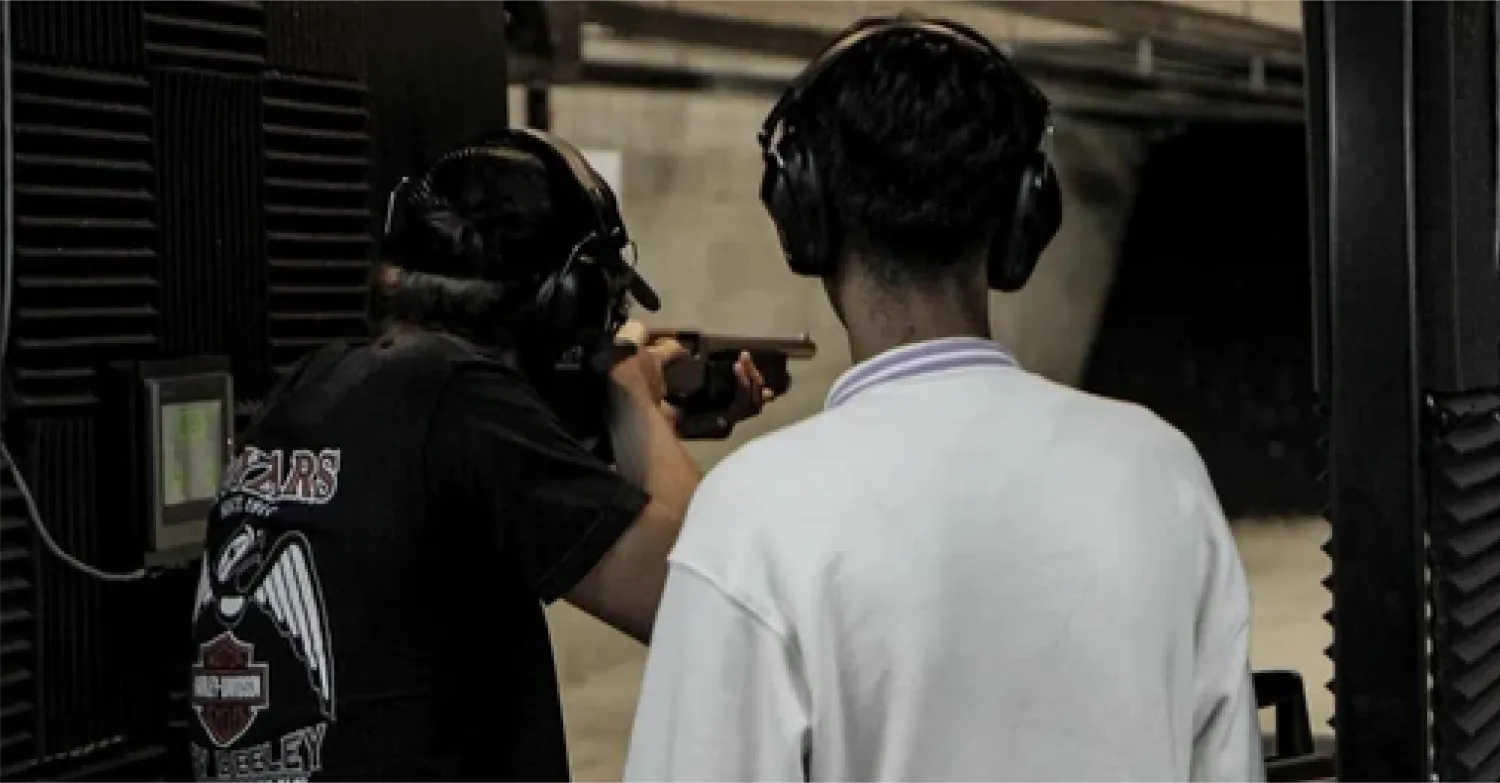
Choosing eye and ear protection shooting range visitors can wear correctly is essential before entering any live-fire area. Firearm discharge creates intense impulse noise, and cartridge cases or debris can move unpredictably. Protection only works as intended when it is appropriate, undamaged, and fitted securely for the entire session.
This Michigan-focused guide explains hearing and eye protection options, common fit problems, care, and questions to ask before your visit. Individual health needs differ, so consult a qualified hearing or eye-care professional when you have existing conditions or concerns.
Why hearing protection matters
Firearm noise is not comparable to ordinary conversation or music. It is a brief, high-energy impulse capable of damaging hearing. Indoor surfaces reflect sound, increasing the importance of protection.
CDC/NIOSH reports that firearm discharge at indoor ranges can exceed occupational peak-noise guidance. Its indoor firing range article discusses hearing loss and tinnitus risk and recommends double protection for workers and occupational shooters as part of a broader conservation program.
Do not wait for discomfort. Hearing damage can occur without pain, and effects may be permanent.
Understanding earplugs
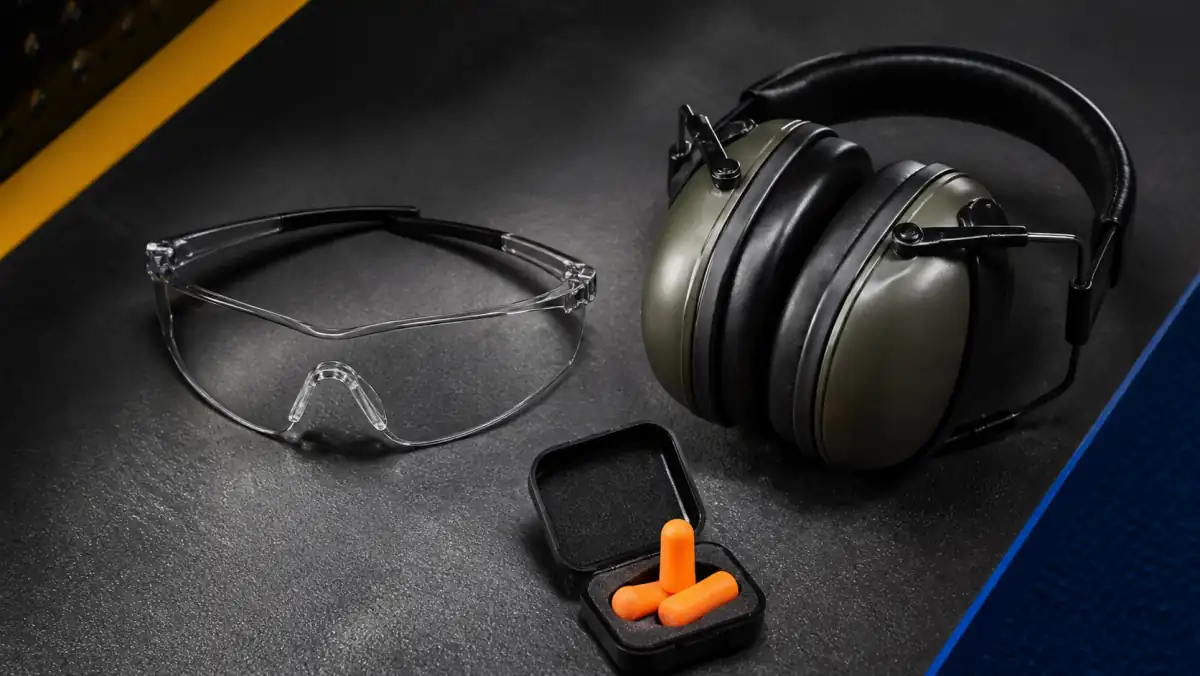
Foam earplugs are compact and can provide strong protection when inserted correctly. Roll the plug as instructed, position it according to the manufacturer’s directions, and allow it to expand. A plug resting loosely at the ear opening does not provide its labeled performance.
Reusable plugs offer convenience but must fit the ear and remain clean. Follow replacement guidance. Do not share used plugs.
If you cannot obtain a consistent seal, ask a qualified professional about other sizes or custom options. Eye and ear protection shooting range performance depends more on real fit than the largest printed rating.
Understanding earmuffs
Earmuffs are quick to put on and easy for staff to visually confirm. The cushion must seal around the entire ear. Hair, hats, thick glasses arms, jewelry, and damaged cushions can create gaps.
Electronic earmuffs can amplify conversation while limiting loud impulse sounds, making instruction easier. They still require a proper seal and working batteries. Electronic features do not eliminate the need to evaluate protection performance.
Inspect cushions for cracks, stiffness, or compression. Replace parts according to manufacturer guidance.
When double hearing protection makes sense
Many indoor shooters wear plugs beneath earmuffs. This creates two layers and helps when one seal is imperfect. NIOSH specifically discusses double protection for range environments.
Double protection can make conversation harder, so electronic muffs or clear visual instruction may help. Never lift one side while lanes are active. Step out of the live-fire area to adjust protection.
People with hearing loss, tinnitus, hearing aids, or sensory concerns should seek individualized guidance. A range employee can explain facility rules but cannot determine medical suitability.
Choosing eye protection
Safety glasses should be designed for impact protection and provide coverage from the front and sides. Look for recognized safety markings and purchase from a reputable source. Clear lenses often work well indoors; tinted lenses may reduce visibility depending on lighting.
Ordinary fashion or prescription glasses are not necessarily impact-rated. Prescription shooters can explore over-glasses protection, inserts, or prescription safety eyewear with an eye-care professional.
Eye and ear protection shooting range gear must work together. Very thick temple arms may compromise an earmuff seal. Test the combination before the visit.
Coverage helps with hot brass
Cartridge cases can eject upward or sideways and may bounce from lane dividers. Glasses help protect the eyes, while a brimmed cap and crew-neck shirt can provide additional coverage.
If brass contacts you, preserve muzzle direction and place the firearm down safely before reacting. Do not turn or wave it around. Clothing preparation reduces the chance that a minor discomfort causes a major safety issue.
Keep glasses on even when you are not firing. Another lane can send brass or debris in your direction.
Preventing lens fog
Michigan temperature changes can cause fogging, especially when moving from a cold parking lot into a warm range. Use a compatible anti-fog product or manufacturer-approved cleaning method. Ensure lenses are clean before the session.
Do not remove glasses on a live lane to wipe them. Make the firearm safe according to facility rules and leave the area or ask staff for assistance.
Adjusting airflow by compromising eyewear position is not a safe solution. Properly fitting alternatives may be needed.
Fit protection before entering
Put earplugs in and adjust earmuffs in a quiet area before entering live fire. Check that glasses do not slide when you move your head. Tie back hair and remove jewelry that interferes.
Ask a companion or staff member to visually check the earmuff position. Protection should feel secure without causing immediate pain. Excessive clamping discomfort can shorten wear time, while a loose fit can reduce effectiveness.
The Range 313 indoor range requires visitors to follow protective-equipment policies. Contact the team if you need to confirm rental or purchase options.
Keep protection on continuously
One of the most common mistakes is lifting an earmuff to hear a question. Even if your lane is quiet, another visitor can fire without warning. Step outside the live-fire area for conversation or adjustment.
Protection remains necessary during cease fires unless staff announce that the entire area is safe and permit removal. Range-specific direction controls.
Build a routine: protection goes on before the door to live fire and stays on until you exit. Consistency removes decision-making from the moment.
Children need properly sized equipment
Adult earmuffs and glasses may not seal or stay in place on a child. Confirm the facility’s age policy and obtain protection designed to fit the user. Supervision must be continuous.
Noise can be frightening even when protection is worn. Prepare young visitors outside the range, explain the environment, and leave if they are distressed. Do not pressure participation.
Contact Range 313 before planning a group visit involving minors so staff can explain current requirements.
Caring for hearing protection
Store earmuffs where cushions will not be crushed. Wipe surfaces with a manufacturer-approved method and replace cushions or foam inserts at recommended intervals. Remove batteries during long storage if instructed.
Keep reusable plugs clean and dry. Discard disposable foam plugs after use or as directed. Store protection separately from dirty range equipment when possible.
Inspect before every session. A crack, missing cushion, or damaged headband is a reason to replace equipment rather than hope it works.
Caring for eye protection
Rinse or blow away abrasive dust before wiping lenses. Use a soft cloth and compatible cleaner. Store glasses in a protective case to avoid scratches that reduce visibility.
Replace eyewear after significant impact, deep scratching, lens separation, or frame damage. Manufacturer guidance should determine whether components can be replaced.
Do not modify lenses or frames in a way that compromises coverage. Comfort matters, but protection remains the purpose.
Protection is part of a larger health system
Hearing and eye gear do not replace ventilation, safe ammunition policies, surface cleaning, or hygiene. Avoid food and drink on the firing line and wash hands and face before eating.
CDC/NIOSH’s lead and noise prevention publication explains engineering and work-practice controls. OSHA also provides lead resources for indoor firing ranges .
Choose a facility that treats health questions seriously. Regular shooters should consider cumulative exposure, not only how one session feels.
Create a personal protection kit
Keep impact-rated glasses, earmuffs, fresh foam plugs, lens cloth, compatible anti-fog treatment, and a protective case together. Add spare batteries for electronic muffs.
Label personal equipment so it is not confused with rentals. Replace disposable items before they run out. Keep the kit accessible but separate from children and contaminated range materials.
Before each visit, perform a two-minute inspection. This is easier than discovering a problem after entering the lane.
Questions to ask before buying
Ask how the equipment is rated, whether it fits your head and ears, whether replacement cushions are available, how eyewear works with your prescription, and whether the combination remains comfortable for the length of a session.
Avoid purchasing based only on color, brand popularity, or the highest number on a package. Ratings use testing conditions that may not match a poor real-world fit.
A training session can reveal issues before you invest heavily. Review Range 313 course options if you want supervised help preparing for the range.
Eye and ear protection shooting range checklist
Before entering, inspect the equipment, insert plugs correctly, seal earmuffs, and confirm glasses coverage. Keep all protection on continuously. Exit the live-fire area before making adjustments. Clean and store gear afterward, replacing damaged components promptly.
Eye and ear protection shooting range visitors use should be boringly reliable. When fit and routine are settled before live fire, attention can remain on safe handling and instruction.
Replace protection before failure
Protective equipment has a service life. Foam plugs lose effectiveness after use and contamination. Reusable plugs can harden, tear, or lose shape. Earmuff cushions compress and crack, headbands weaken, and electronic components fail. Safety glasses accumulate scratches that reduce visibility and may suffer impact that is not obvious later.
Create a quarterly inspection reminder if you visit regularly. Check manufacturer replacement guidance, cushion condition, plug cleanliness, lens clarity, frame integrity, batteries, and storage cases. Record the date when cushions or electronic muffs were purchased so age is not a guess.
Keep a backup pair of glasses and fresh plugs in the range bag. Backup equipment should meet the same standard as primary gear, not be a damaged item you stopped using. Do not lend used in-ear protection.
Replacing eye and ear protection shooting range visitors depend on before visible failure may feel cautious, but the cost is small compared with permanent hearing or eye injury. Reliable protection is consumable safety equipment, not a lifetime purchase.