An Essex County to Range 313 trip begins well before the Detroit River. A visitor leaving Amherstburg has a different Canadian-side approach from someone in Tecumseh. A group meeting in LaSalle may prefer one crossing while friends coming from Lakeshore or Leamington may find another route more practical. The border, not the county line, is what turns those local differences into planning decisions.
Range 313 is at 1125 Fort Street in Lincoln Park, Michigan, south of Detroit. The indoor facility offers lanes, rental options, protective equipment, training, and assistance for first-time and experienced visitors. Canadian and international guests can be welcomed when they are legally eligible and meet current facility policies.
This guide organizes the trip by starting area, group logistics, border preparation, and on-site expectations. It does not promise a drive time because crossing queues and roads change. Treat the range as a planned destination, compare the live route on travel day, and keep enough flexibility for an international inspection in both directions.
Think in travel zones, not fixed minutes
Search results often present one travel time as though every Essex County resident starts from downtown Windsor and crosses without delay. That is not how the day works. The useful calculation has four parts:
- Home to the selected Canadian port of entry
- The border queue and inspection
- The U.S. port of entry to Lincoln Park
- Parking and Range 313 check-in
Each part can change independently. A short local drive can lead to a longer queue. A crossing with a slightly longer approach may connect more directly to the current U.S. route. Road construction can reverse yesterday’s preference.
Build the schedule from Range 313’s current last check-in time rather than from a navigation app’s arrival estimate. Add the length of the session, orientation and rental time, a border cushion, and a separate return buffer. The Range 313 contact page lists the current hours and telephone number; call before a special trip.
Amherstburg and western Essex County
Amherstburg-area visitors begin southwest of central Windsor. Their route choice should account for the Canadian approach as well as the U.S. drive. The Gordie Howe corridor may be useful because of its Highway 401–I-75 connection, while another crossing may show a better live queue or suit a planned Detroit stop.
Do not choose based on a straight line across the river. Compare actual driving routes, toll and payment information, operating conditions, and the U.S. approach to Lincoln Park. A traveler starting farther south should also consider whether meeting the group in Windsor creates unnecessary backtracking.
For a group with members in Amherstburg and LaSalle, a Canadian-side meeting point near the shared route can simplify the day. Choose a legal, well-lit location where vehicles may remain for the required time; do not assume a retail parking lot permits day-long parking. Confirm who drives across and keep each traveler’s documents with that person—not locked in a vehicle left behind.
LaSalle and the Highway 401 corridor
LaSalle visitors are positioned near major Windsor-area approaches, but that flexibility still requires a live comparison. If the chosen route uses the Gordie Howe International Bridge, the official project describes a direct connection between Highway 401 and I-75. If another crossing has more favorable conditions or fits the group’s secondary destination, use the current information instead.
LaSalle can be a practical staging area for friends arriving from western Essex County. Set a departure time, not merely a meeting time. Ask everyone to arrive early enough for a document and vehicle check. A group that spends thirty minutes transferring bags has already used part of its border buffer.
Keep the consolidated vehicle simple. Remove personal firearm equipment, ammunition, defensive sprays, cannabis products, and unnecessary bags before the trip. Do not place regulated items in the vehicle “just in case” or assume another passenger knows what is in the trunk.
Tecumseh and eastern Windsor approaches
Visitors from Tecumseh or the east side of Windsor may have convenient access to more than one crossing approach. The tunnel can appear attractive for a downtown Detroit plan, while bridge routes may connect differently to the interstate and Downriver. The correct choice depends on the entire itinerary.
If Range 313 is the main purpose, compare the route from the U.S. inspection exit to 1125 Fort Street rather than only the Canadian queue. If a museum, restaurant, or event in central Detroit is planned after the range, that second stop can affect the return route without needing to dictate the morning crossing.
Tecumseh groups should resist scheduling a fixed downtown reservation immediately after the lane. Border delay can compress check-in, and a live-fire activity should never be rushed to save an entertainment booking. Make the secondary activity flexible or leave a generous gap.
Lakeshore, Belle River, and eastern Essex County
As the Canadian starting point moves east, the trip becomes a genuine half- or full-day outing. The group must account for the drive into the Windsor border corridor before any international queue begins. This is where a best-case map estimate becomes especially misleading.
Check weather across the entire route. Snow, freezing rain, fog, or heavy rain can affect county roads, Highway 401, border approaches, and I-75 differently. An indoor destination does not make the travel weather-proof. Set a cancellation threshold in advance and give the driver authority to use it.
If multiple households are traveling, one vehicle can reduce tolls and simplify parking, but it also concentrates responsibility. Confirm that the vehicle is insured for U.S. travel, the driver is rested, and every passenger accepts the same return plan. A second vehicle may be preferable when participants have different schedules or someone may choose not to enter the range.
Leamington, Kingsville, and the longer county trip
Visitors from Leamington, Kingsville, and the southern or eastern reaches of Essex County should plan the outing as more than a quick hop from Windsor. Fuel, meals, weather, and driver fatigue belong in the itinerary. An early departure is usually more useful than a late-night finish.
Consider whether the group wants a direct range-and-lunch trip or a full Detroit day. Adding several attractions can make the distance feel justified, but it also increases schedule pressure. One anchor activity and one optional stop provide a better structure.
The driver should take a real break before the return. A live-fire session demands concentration, and the county drive home follows another border inspection. If the organizer expects the driver to participate, navigate, collect payments, and manage every document, assign a second person to handle group logistics.
Verify the people before planning the vehicles
Living in Essex County, holding Canadian residence, and being a Canadian citizen are not identical facts. U.S. entry and firearm eligibility depend on the individual.
U.S. Customs and Border Protection publishes document guidance for Canadian visitors . Canadian citizens arriving by land may use certain approved documents, but a Canadian permanent resident who is a citizen of another country can have different visa or entry requirements. Each adult needs their own original documents. Children require appropriate documentation and may need a parental consent letter depending on the travel arrangement.
Federal firearms rules also distinguish between some nonimmigrants admitted with a visa and visitors lawfully admitted without one. ATF’s current nonimmigrant firearms questions and answers describe the general rule and exceptions. Criminal history, court orders, immigration conditions, and other prohibitions can matter regardless of the route.
Do not diagnose eligibility in a group chat. Anyone with uncertainty should obtain qualified legal advice. Call Range 313, accurately explain each visitor’s citizenship or immigration status, and ask what current policy and documentation require.
Use rentals to keep the border plan clean
An eligible international visitor may be able to use an approved on-site rental. That is often simpler than trying to move a personally owned firearm or related equipment through two countries’ rules.
Temporary firearm or ammunition importation into the United States may require advance ATF approval. Canadian return rules separately address declaration, classification, licence, transport, and importation. Legal ownership at home does not create automatic authority at the border.
For a casual Range 313 visit, leave personal firearms, ammunition, magazines, parts, spent cases, pepper spray, and other weapons at home unless all necessary legal work has been completed. Ask staff about current rental availability, ammunition requirements, target options, and eye and hearing protection. Use the equipment only as approved at the facility and return every item.
Review the CBSA firearms and weapons page before considering any regulated transport. Never rely on a friend’s previous crossing or an online forum as authorization.
Choose a meeting plan that survives change
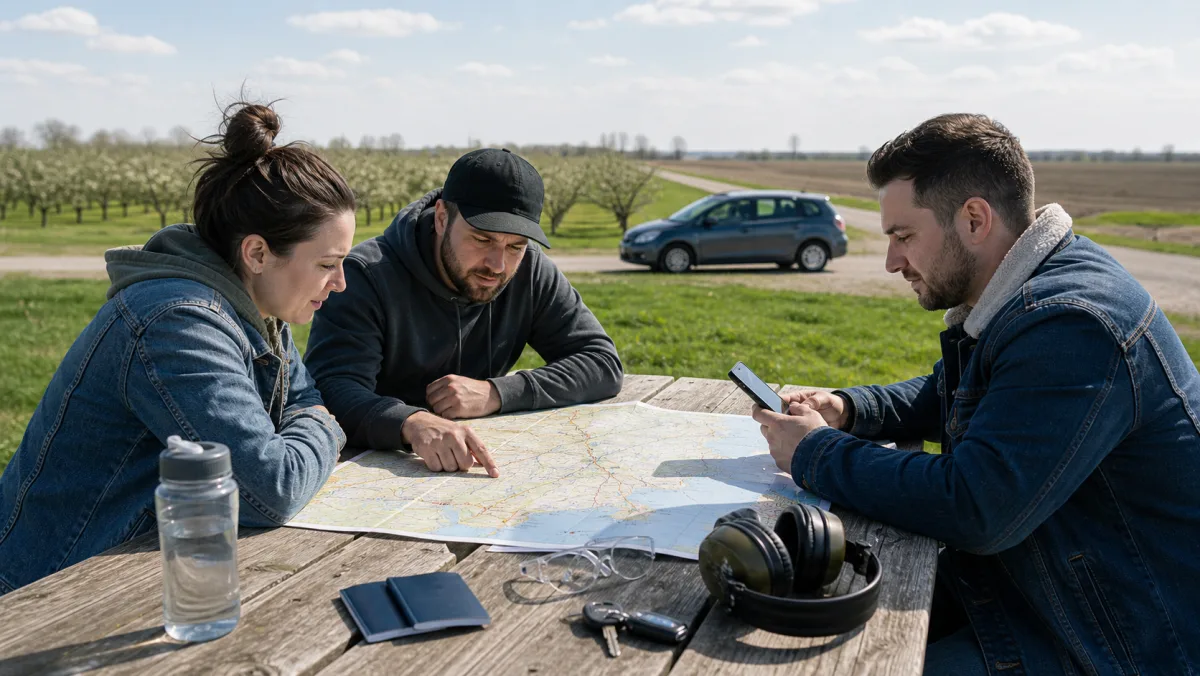
Essex County groups often lose time because logistics were implied rather than assigned. Put the essentials into one message the day before:
- Driver and backup driver
- Passenger list with confirmed documents
- Exact departure location and time
- Crossing to check first, plus the alternative to compare
- Range 313 address and phone number
- Current booking or walk-in plan
- Expected per-person budget in U.S. dollars
- Clothing and sobriety reminder
- Return target and any hard obligations
- Cancellation decision time for weather or traffic
Do not distribute images of passports in the group chat. Each traveler can confirm possession without exposing identity information. The organizer needs status information only to make accurate inquiries, not copies of sensitive documents.
If someone is late, use a predetermined cutoff. Delaying the entire departure can push the group toward the range’s final check-in and encourage rushing. Reschedule or let the late participant miss the trip; do not spend the border buffer before reaching the border.
Compare crossings on the day of travel
The Windsor area has three major passenger crossing choices: the Detroit–Windsor Tunnel, Ambassador Bridge, and Gordie Howe International Bridge. Each has its own approach, toll system, and operating information.
Use the official CBP wait-time tool for travel into the United States and the CBSA wait-time page for the return. Open the official crossing site for toll and payment details. Then use live navigation for road conditions.
Evaluate the complete route:
- Minutes to the Canadian queue
- Posted border wait and number of open lanes
- U.S. road conditions after inspection
- Distance to Range 313
- Toll and payment readiness
- Weather exposure
Check again before leaving Lincoln Park. You are not required to return by the same crossing. Keep all travel documents accessible until the group is home.
What to expect at Range 313
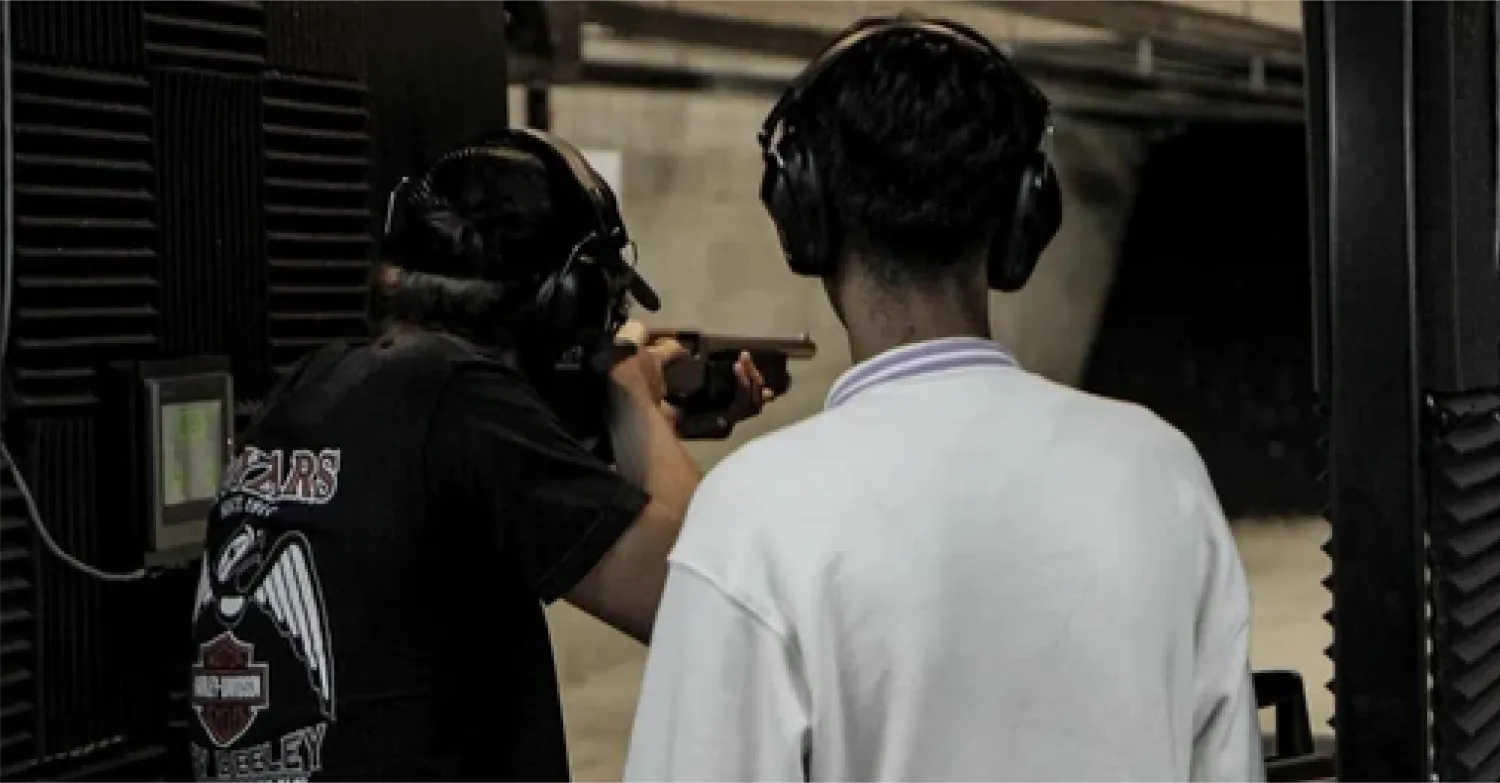
Arrive early and identify the group as Canadian visitors. Present the documents requested, read the waiver, and listen to the complete briefing. First-time shooters should say so. Ask whether a formal class, private instruction, or a simpler rental setup is appropriate.
Wear closed-toe shoes and a close-fitting neckline. Tie back long hair and remove dangling items that could interfere with protection. Prescription glasses may not satisfy the range’s eye-protection rule on their own, so confirm the approved setup.
At the lane, treat every firearm as loaded, keep the muzzle in the safe direction, keep the finger outside the trigger guard until ready to fire, and know the target and what lies beyond it. Staff commands control the line. If anything is uncertain, keep the muzzle downrange and request help.
The session is not a competition between towns or friends. Choose a manageable pace, take breaks, and stop before fatigue. A visitor may decline to shoot at any time. Review the first-time range checklist and beginner rental guide before departure.
Budget for the whole county-to-range trip
Count more than the lane. A realistic budget can include:
- Canadian-side and U.S.-side fuel
- Round-trip tolls
- Currency conversion or foreign card fees
- Lane time
- On-site rental
- Approved ammunition
- Targets
- Eye and hearing protection
- Instruction
- Taxes
- Meals and ordinary activities
- Parking
Ask Range 313 for current prices rather than copying an old figure. Check official crossing tolls for the travel date. Decide whether the driver’s fuel and tolls will be divided evenly, and collect the money after the trip rather than at the inspection booth.
Do not use cross-border shopping for regulated products as a way to “make the trip worth it.” Firearms, ammunition, magazines, components, knives, and sprays raise export and import questions. Keep the outing focused on the on-site experience.
Return to Essex County with a clean vehicle
Before leaving Range 313, return rentals and protective equipment as directed. Check every pocket, bag, floor area, and vehicle compartment used during the visit. No ammunition, casing, magazine, component, or range-owned item should travel to Canada accidentally.
Keep receipts for food and ordinary purchases. Review current Canadian-bound traffic before choosing a crossing. At the booth, declare goods fully and answer questions truthfully. If you do not know whether an item must be declared, ask the officer.
The CBSA traveler checklist warns about weapons, cannabis, food, currency, and other controlled or declarable goods. Use it before the vehicle leaves Michigan, not after reaching the booth.
Once back in Canada, the trip is not over for a driver returning to Lakeshore, Kingsville, or Leamington. Take a break if needed and adjust for weather. The group’s desired arrival time never outranks a safe county drive.
Essex County departure checklist
Use this list whether the trip starts in Amherstburg, LaSalle, Tecumseh, Lakeshore, Leamington, or Windsor:
- Verify every traveler’s entry documents and personal eligibility.
- Call Range 313 with accurate visitor details and confirm current policies.
- Decide on rentals, protection, instruction, and a realistic session budget.
- Remove regulated and impairing items from the vehicle.
- Assign a driver, organizer, departure cutoff, and cancellation threshold.
- Compare all practical crossings using official waits, tolls, and current roads.
- Arrive with enough time for check-in and orientation.
- Make participation voluntary and follow staff direction throughout.
- Inventory belongings before leaving the range.
- Recheck the return route, declare accurately, and leave enough energy for the drive home.
Essex County is close enough to Metro Detroit for a range visit to be a day trip, but the county’s size makes one-size-fits-all directions unhelpful. Start with the people, identify the Canadian approach, compare live crossings, and keep the on-site plan simple. That preparation lets Range 313 become a purposeful Lincoln Park destination for eligible visitors from across Windsor–Essex.
Sources
- Range 313 contact and visitor information
- U.S. Customs and Border Protection: Canadian visitor documents
- U.S. Customs and Border Protection wait times
- Canada Border Services Agency wait times
- ATF nonimmigrant firearms questions and answers
- Canada Border Services Agency firearms and weapons guidance
This article provides general travel information, not legal advice. Entry, firearm eligibility, rental access, and declaration requirements depend on each traveler’s circumstances and current law.