
A Saturday class can look convenient until your workweek ends Saturday morning. For hospital staff, manufacturing employees, transportation workers, hospitality teams, and anyone with a rotating schedule, finding a free date is only one part of planning training. You also need enough rest, reliable coverage, and time to complete the entire course without watching for a call from work.
Choosing CPL classes for shift workers in Michigan therefore involves more than searching for the shortest advertised session. The useful question is which course you can attend fully, attentively, and without an avoidable conflict. A rushed training day can create extra expense if you need to return for unfinished work.
This guide approaches the problem as a calendar decision. It covers how to compare course schedules, protect your time, prepare equipment efficiently, and handle the administrative steps after training. It does not assume that every range offers evening classes or that an online option can replace required supervised instruction.
Map your real availability, including recovery time
Start with the schedule you actually work, not the schedule your department usually intends. Include overtime, on-call periods, shift swaps, and the commute home. If your roster changes regularly, mark which days are dependable and which are only possibilities.
Then add the rest you normally need before an activity that requires sustained attention. A day off immediately after an overnight shift is not automatically an available training day. The fact that you can physically reach the classroom does not establish that you will be ready to learn or follow range instructions reliably.
Consider the day after class as well. An early work start can make a late finish difficult, especially if the course is some distance from home. Looking at the full sequence of work, travel, rest, class, and return helps you choose a date that is practical rather than merely open on a calendar.
Ask for the complete course timeline
A listed start time does not answer when you should arrive or when you will be free to leave. Ask the provider about check-in, instructional periods, range time, breaks, meals, and the expected finish. Find out whether students move between locations or complete everything at one facility.
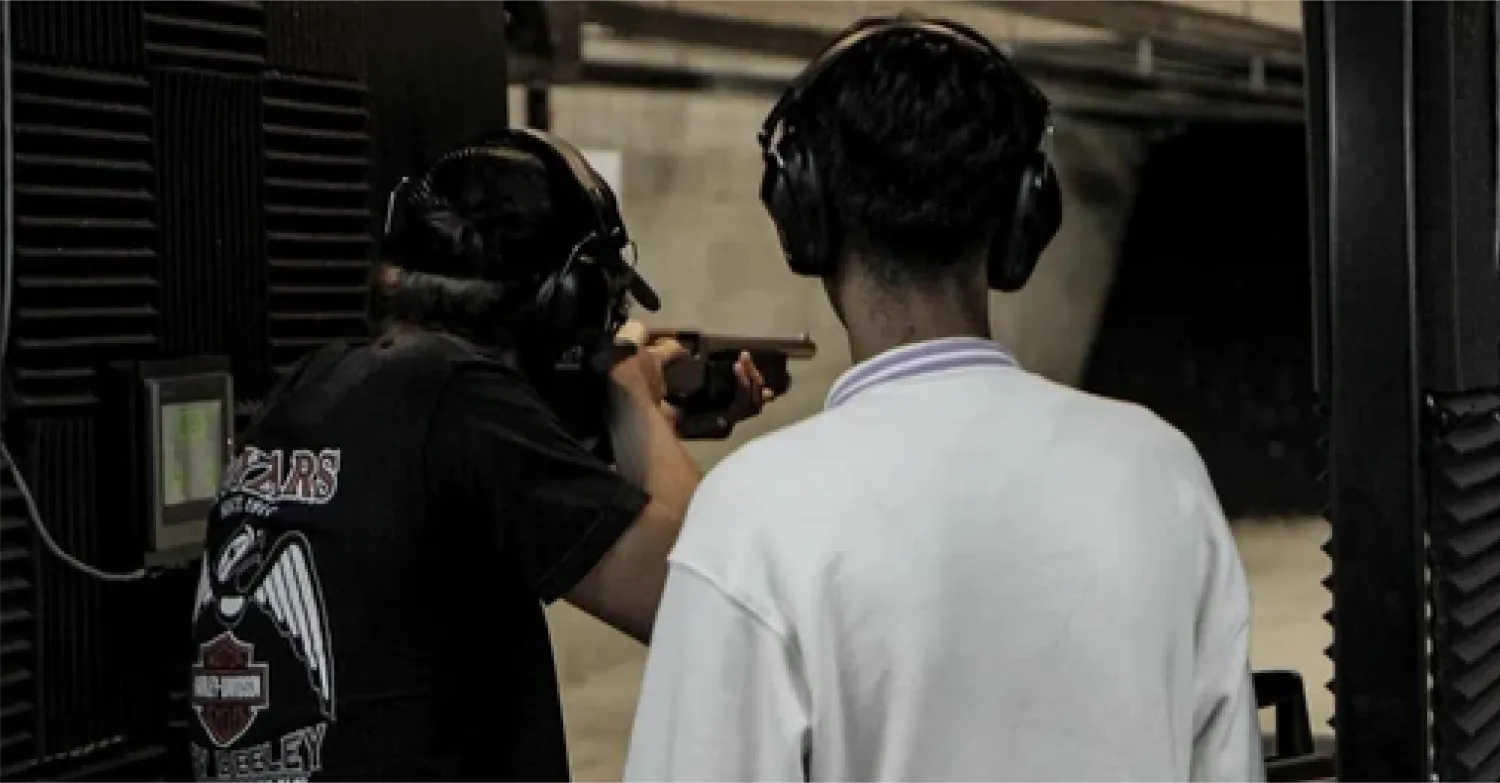
Michigan’s initial qualifying program requires at least eight instructional hours, including three hours of firing-range instruction and at least 30 rounds fired by the student. Review MCL 28.425j in the official Michigan firearms laws . A shorter advertisement deserves a careful explanation of how the complete requirements are delivered.
Treat the expected finish as an estimate for planning, not permission to leave at a fixed minute. Questions, check-in issues, or a student’s need for additional guidance can affect the day. Do not put a work shift, airport departure, or important family appointment immediately against the end of the schedule.
Compare formats without assuming availability
Some providers may offer formats that fit different schedules. If you see an evening, split-session, or hybrid course, ask exactly how it works. Confirm which sessions are mandatory, where live instruction occurs, and who is responsible for documenting completion of the whole program.
Do not assume separate pieces from unrelated providers can be combined into qualifying training. A convenient online purchase and an unrelated range visit are not automatically a complete course. The provider should explain the full program and its compliance, including instructor qualifications and supervised range requirements.
At Range 313, the published CPL class schedule lists Saturdays at 10am. That can work well for some shift patterns and poorly for others. Contact the team about your situation, but do not plan around an evening or custom session unless staff has specifically confirmed that arrangement.
Protect the date before protecting the price
A low class price loses its advantage if you must miss work unexpectedly, lose a deposit, or attend twice because you cannot complete the day. Compare the course’s rescheduling terms alongside its tuition. Ask what happens if mandatory overtime or an unexpected schedule change prevents attendance.
When requesting time away from work, describe the block you need accurately. Include travel and check-in rather than asking only for the advertised instructional hours. If your workplace uses a formal swap or leave process, finish that process before relying on a coworker’s informal promise.
You do not need to disclose personal details beyond what your workplace requires for scheduling. The practical objective is a dependable absence from work obligations. A class day interrupted by calls, messages, or pressure to return early is difficult to use well even if you remain physically in the room.
Make rest part of the attendance decision
Many shift workers are accustomed to functioning when tired. Firearm instruction still requires an honest assessment of your attention on the day. If you are struggling to stay awake, repeatedly losing track of directions, or feeling unable to concentrate, tell the instructor before handling equipment.
Avoid making the class a test of how much fatigue you can overcome. The useful outcome is learning and safe participation, not proving that you can push through another long day. Discuss rescheduling options early enough that you know what to do if work changes your night unexpectedly.
This is also a reason to prepare your bag and route in advance. Removing small morning tasks gives you more time to arrive calmly, but it cannot compensate for being unfit to participate. Keep those two ideas separate: organization improves a reasonable plan; it does not rescue every schedule.
Handle equipment questions before your workweek gets busy
Send or make one focused inquiry about required equipment. Ask what identification to bring, whether rentals are included, how ammunition is supplied, and what the provider expects for eye and hearing protection. Keep the answer somewhere you can find without searching through several message threads.
Range 313’s course page lists a $79.99 class price including a firearm rental and ammunition. Review the current details before attending and confirm any additional personal equipment you need. Using the listed class equipment can simplify planning if you do not own a pistol, but you should still ask how the setup works.
If bringing your own firearm, follow current transport law and the facility’s arrival instructions. Do not combine a work commute with firearm transport on the assumption that every stop and workplace permits it. Resolve those questions separately using appropriate official guidance before deciding what to bring.
Plan food, clothing, and communication for a full day
A course that spans several hours needs ordinary practical preparation. Ask where food and drinks are permitted and whether there is a scheduled meal break. Pack or purchase what you need according to the facility’s instructions rather than assuming a nearby restaurant will fit the timetable.
Choose comfortable clothing suitable for the classroom and range, including closed-toe shoes. If you normally wear a uniform to work, consider whether changing before class will make the day simpler. Keep work equipment and unrelated bags out of the training area unless the provider has approved them.
Set your phone so it will not repeatedly interrupt instruction, while following any provider rules. If an urgent call is genuinely unavoidable, explain the situation before class and ask whether attending that date is sensible. Being technically reachable can still conflict with giving a supervised course your full attention.
Keep the county process on a separate calendar
Completing class does not complete the licensing process. Michigan State Police provides application and fingerprinting instructions , and your county clerk handles the local application steps. A training certificate is not authority to carry concealed.
After confirming your training date, look up the county office’s current process and hours. Check whether appointments are needed, how documents must be presented, and where fingerprinting occurs. Do not assume those services share the range’s weekend schedule or that everything can be finished on the way home from class.
For rotating schedules, it may be easier to reserve a separate administrative morning after you have reviewed the requirements. Keep the original training documentation secure and make a personal checklist from the official instructions. This prevents a second trip caused by a missing item you could have identified beforehand.
Avoid turning the follow-up into another impossible commitment
After a busy person completes a course, it is tempting to promise an ambitious practice schedule. A plan that depends on the same weekday every week may not survive a rotating roster. Start with a realistic opportunity for continued instruction or a supervised range visit.
Use your next published work schedule to identify a suitable window. Choose the purpose of that visit before booking: clarification of a lesson, help with equipment fit, or a review of basic handling under supervision. A clear purpose makes even an occasional session more useful than arriving with no plan.
Record the question you want to ask while the class is still fresh in your memory. If several weeks pass, those notes will help the instructor understand where you left off. Our range practice frequency guide offers a way to think about consistency without pretending everyone’s calendar is identical.
Use a scheduling fallback instead of rushing
Consider a common situation: your shift ends early Saturday, the class begins later that morning, and you are scheduled to work again Sunday. The date appears possible, but it leaves little room for rest or an unexpected finish. A later Saturday after a protected rest period may be a better choice even if it delays your initial plan.
Another option may be a provider with a confirmed format that matches your availability. Compare the complete requirements and support, not only convenience. The right course is one you can attend as designed, with enough attention to benefit from it.
For students near Lincoln Park, contact Range 313 with your available dates and the scheduling questions you need answered. Explain any firm departure constraints before attending. A dependable plan for class, recovery, and paperwork gives shift workers a much better starting point than squeezing training into whatever hours remain after work.