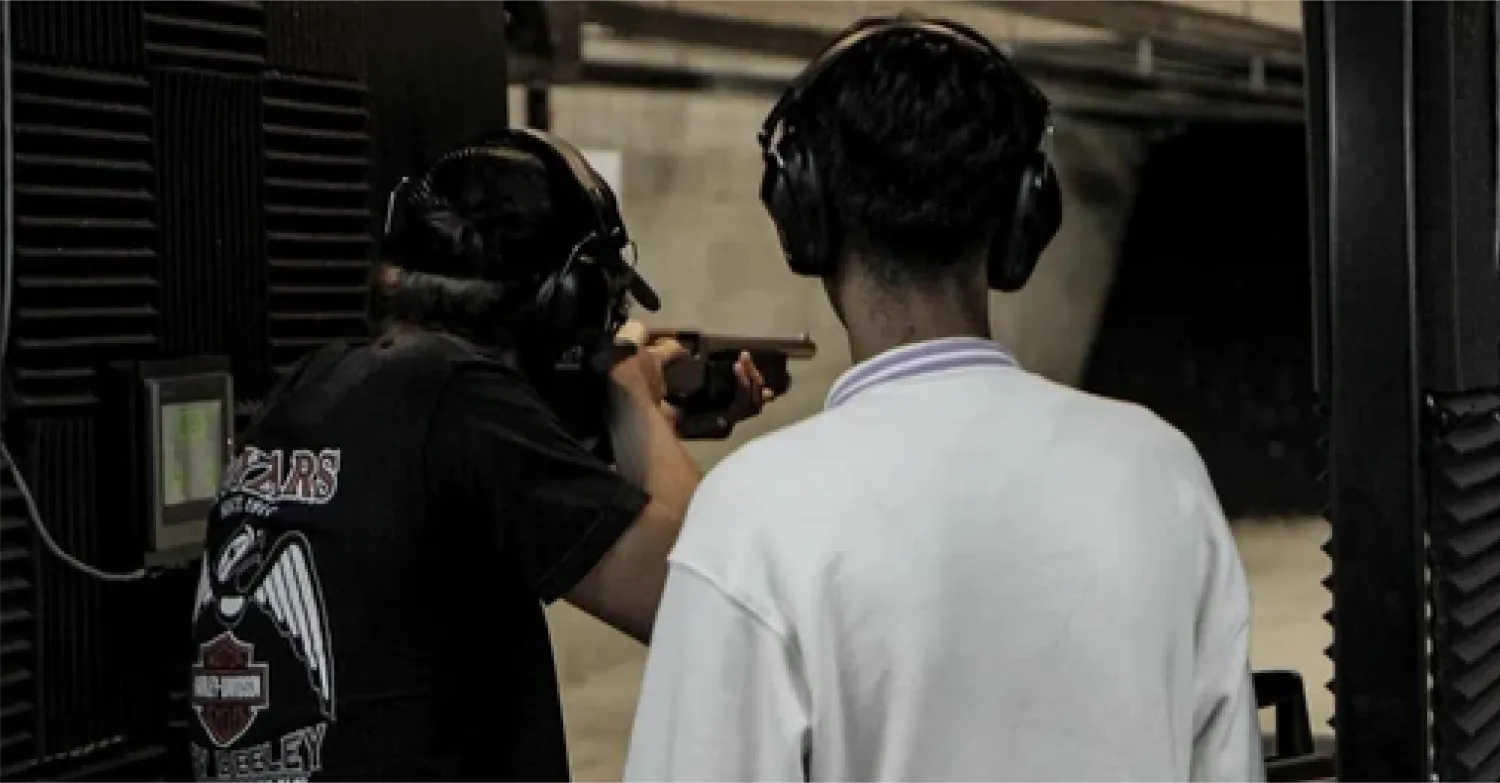

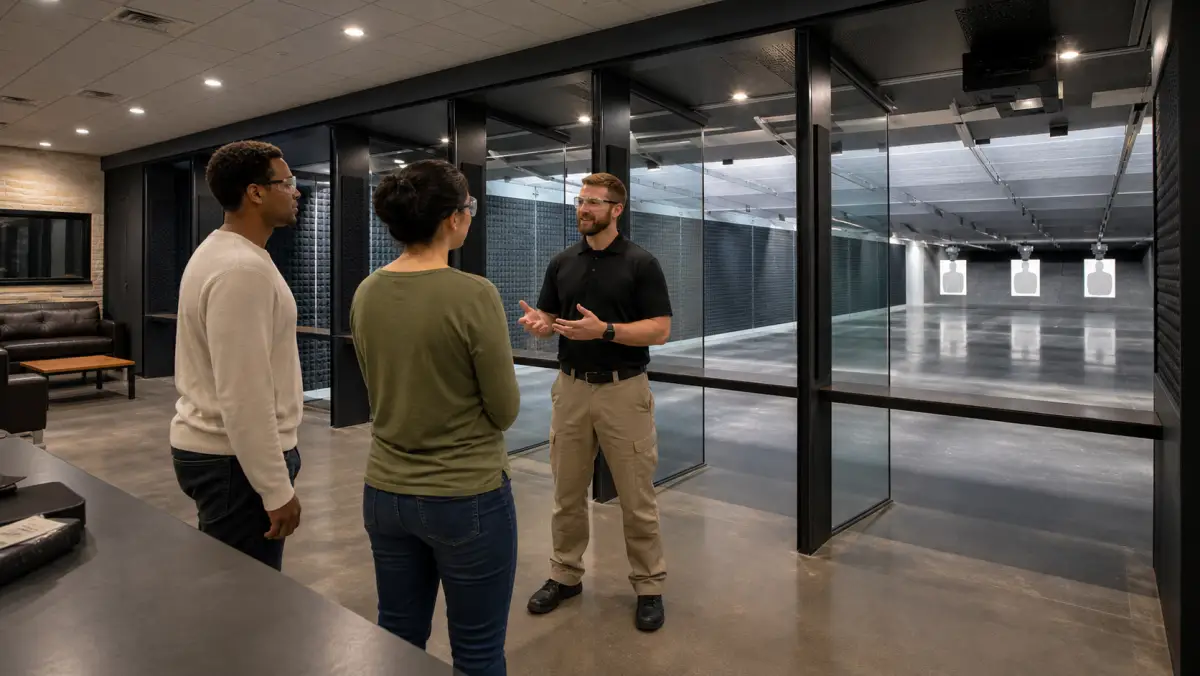
The best indoor shooting range in Detroit is not simply the closest building with open lanes. It is the facility that makes safety visible, answers questions without rushing, maintains a professional environment, supports the type of practice you need, and gives you a reason to return. For some visitors, that means patient first-time assistance. For others, it means rifle-capable lanes, reliable range access, structured training, rentals, memberships, or on-site firearm services.
Detroit-area shooters have options in the city, Downriver, and across Metro Detroit. A search result or star rating can narrow the list, but neither proves that a facility is the right fit. This guide provides 12 concrete features to compare when looking for the best indoor shooting range in Detroit, plus questions to ask before making a special trip.
Best indoor shooting range in Detroit: quick comparison scorecard
Use this scorecard to compare facilities on the same criteria.
| Feature | Strong sign | Reason to pause |
|---|---|---|
| Safety culture | Rules are clear, consistently enforced, and supported by attentive staff | Posted rules exist, but unsafe behavior goes uncorrected |
| First-time support | Beginners can disclose their experience and receive an appropriate next step | New visitors are rushed onto a lane with minimal explanation |
| Ventilation | Staff can discuss airflow monitoring and maintenance without dismissing questions | Strong odors, visible residue, or vague answers about air management |
| Cleanliness | Benches, common areas, and protective equipment are maintained | Dust and residue are treated as unavoidable housekeeping details |
| Hearing and eye protection | Requirements are enforced and suitable equipment is available | Guests enter live-fire areas with loose or inadequate protection |
| Lanes and equipment rules | Allowed firearms, ammunition, calibers, and activities are explained | Policies are difficult to find or change at the counter without explanation |
| Rentals | Current options, ammunition rules, and assistance are clear | A rental is handed over without model-specific orientation |
| Training | Courses have stated audiences, goals, prerequisites, and qualified instructors | Every visitor is told that a quick tip is enough instruction |
| Pricing | Lane time, rentals, targets, protection, ammunition, and memberships are itemized | The low advertised rate excludes common required costs |
| Memberships | Benefits match realistic practice frequency | Savings depend on visits or purchases you are unlikely to make |
| Complete support | Retail, transfers, maintenance, and training connect logically to range use | No one can help when equipment needs inspection or service |
| Location and access | Hours, parking, travel time, and contact options make repeat visits realistic | The range is nearby but difficult to reach, schedule, or revisit |
A top indoor range serving Detroit should perform well across the categories that matter to you. A beautiful lobby cannot compensate for weak safety practices, and the lowest lane fee cannot compensate for poor support.
1. Start with a visible safety culture
Safety culture at the best indoor shooting range in Detroit is more than a waiver and a poster. It appears in how firearms are handled at the counter, how staff explain the live-fire boundary, how quickly unsafe behavior is corrected, and whether every guest follows the same rules.
When evaluating a Detroit-area facility, look for a clear check-in sequence. Staff should confirm what equipment a visitor plans to use, explain where firearms may be uncased, identify required protection, and describe how to request help. Range commands should be direct and consistent.
The Michigan DNR shooting range rules provide a useful public example of formal range discipline, including safe muzzle direction, eye and hearing protection, and immediate response to range commands. A private indoor range will have its own policies, and those facility-specific rules control the visit.
Watch what happens when someone makes a mistake. A professional correction should be prompt, specific, and focused on behavior. Staff do not need to embarrass a visitor, but they cannot ignore a safety problem to avoid an uncomfortable conversation.
A strong contender should also be willing to stop an activity that does not fit the facility, equipment, or shooter’s demonstrated ability.
2. Look for patient staff and first-time support
A beginner-friendly candidate for the best indoor shooting range in Detroit does not assume that every person understands range vocabulary, rental controls, target carriers, or cease-fire procedures. It creates a safe way to say, “This is my first visit,” without making the guest feel unwelcome.
The right indoor range for a new shooter should distinguish between orientation and instruction. Orientation explains facility rules. Instruction teaches knowledge and skills. A short check-in conversation cannot replace a structured class for someone who is not ready to handle a firearm independently.
Before visiting, ask:
- Are first-time shooters welcome?
- Is a reservation or class recommended before independent lane use?
- What identification and age requirements apply?
- Can eye and hearing protection be rented or purchased?
- Are rental firearms available under current policies?
- Can staff recommend an appropriate beginner course?
Read our first-time Michigan shooting range checklist before the trip. It covers clothing, identification, protection, check-in, commands, rentals, hygiene, and the pace of a first session.
A beginner-friendly facility will make questions easier to ask while still holding every visitor to firm safety standards.
3. Treat ventilation as a core facility feature
At a leading Detroit-area indoor range, lighting and lane technology are easy to see. Ventilation is less visible, but it is one of the facility’s most important systems.
CDC’s National Institute for Occupational Safety and Health explains that workers and patrons can be exposed to airborne lead, surface contamination, and intense noise at indoor firing ranges. Its indoor firing range guidance identifies ventilation, housekeeping, ammunition, shooting duration, and hygiene as relevant exposure factors. NIOSH describes proper ventilation as an engineering control rather than a substitute for good cleaning and personal hygiene.
A visitor cannot certify an HVAC system by standing in the lobby. Still, someone comparing Detroit-area facilities can ask useful questions:
- How does air move across the firing line and downrange?
- How is the ventilation system monitored?
- What happens if the system is outside operating parameters?
- How often are filters and mechanical components serviced?
- How are the range floor, booths, and common surfaces cleaned?
Staff may not have every technical specification at the counter, but they should understand why the question matters and know who can answer it. Be cautious if anyone claims that lead and airborne contaminants are irrelevant at a modern range.
For frequent shooters, ventilation and hygiene should carry more weight than decorative amenities when selecting a facility.
4. Check cleanliness and lead-hygiene practices
Cleanliness at a quality indoor range does not mean a live-fire facility will look untouched. It means residue is managed with appropriate procedures and common areas are not allowed to accumulate unnecessary contamination.
Look at lane benches, door handles, rental protection, restrooms, counters, and seating. Observe whether food and beverages are kept away from live-fire spaces and whether handwashing is convenient after shooting. Ask what cleaning products or wipes are recommended for hands and equipment.
NIOSH notes that lead dust can settle on hands and surfaces and then reach the mouth through eating, drinking, smoking, or similar contact. Visitors should wash their hands, forearms, and face before eating and should avoid bringing unnecessary range residue into vehicles and homes.
The facility should reinforce simple habits:
- Do not eat, drink, smoke, or apply cosmetics on the firing line.
- Keep personal items off contaminated benches when possible.
- Wash thoroughly before eating or touching the face.
- Change clothes after extended or frequent range activity.
- Keep range bags and footwear away from children’s play and food-preparation areas.
These practices are not a reason to fear a well-managed range. They are evidence that the facility and visitor both take indoor-range hygiene seriously.
5. Compare hearing and eye protection support
At a responsible indoor range, staff recognize that firearm discharge creates impulse noise capable of damaging hearing. Protection must fit correctly and remain in place throughout the live-fire area, including during quiet moments when another lane could fire without warning.
CDC/NIOSH’s current hearing protection guidance explains that protection works when it is selected correctly, fits well, and is used consistently. It also warns that ordinary active-noise-canceling headphones should not be treated as hearing protection unless they carry an appropriate noise reduction rating.
When comparing Detroit-area ranges, ask whether suitable plugs and earmuffs are available and whether staff can help a first-time visitor understand fit. Many indoor shooters use properly fitted earplugs beneath earmuffs because of impulse noise. Eye protection should stay secure, provide appropriate coverage, and fit without creating a large gap in an earmuff seal.
Check the facility’s rules before buying equipment solely for one visit. A range may rent or sell protection, but availability can change. If you wear prescription glasses, hearing aids, or other equipment that affects fit, contact the range before arriving.
Our shooting-range eye and ear protection guide explains common options and preparation questions in more detail.
A professional facility does not treat protective equipment as a formality; staff notice whether it is present, secure, and used consistently.
6. Match the lanes and equipment policies to your goals
Not every indoor range serving Metro Detroit supports the same firearms, calibers, ammunition, target distances, shooting positions, or activities. The backstop, carrier system, lane construction, ventilation, insurance, and staff model can shape those policies.
Before selecting the best indoor shooting range in Detroit, identify what you actually plan to do. A first-time handgun lesson, a rifle zero confirmation, a slow fundamentals session, and a group rental visit require different support.
Ask the facility about:
- Pistol and rifle lane availability.
- Maximum and minimum target distances.
- Allowed calibers and firearm types.
- Prohibited projectile, ammunition, or target types.
- Rules for outside ammunition and rental ammunition.
- Restrictions on rapid fire, holster work, movement, or positional shooting.
- Accessibility needs and lane setup.
- Procedures for malfunctions or suspected equipment problems.
Do not rely on an old review for technical policies. Call with the exact firearm, caliber, ammunition, and planned activity when uncertain. A responsible range may apply stricter rules than another facility because its physical design and operating procedures are different.
The right facility is designed and staffed for your lawful practice goal—not the one that promises every activity to every visitor.
7. Evaluate rentals as a learning tool
Rentals at the best indoor shooting range in Detroit can help a new shooter experience range procedures without owning a firearm, and they can help a prospective buyer compare grip size, control reach, recoil experience, and sight visibility before purchasing. They do not eliminate the need for instruction or independent judgment.
A responsible range should explain current rental policies before the guest reaches the lane. Ask which models are available, whether the facility requires its ammunition in rentals, how identification and age rules apply, and what staff support is included.
A model-specific orientation should identify the controls and the facility’s handling process. If a visitor cannot operate the rental safely after explanation, the correct next step may be instruction rather than experimentation.
Avoid choosing a rental only because it is compact, powerful, visually distinctive, or popular online. A useful comparison keeps the purpose consistent and changes one variable at a time. Take brief notes about reach, visibility, comfort, and the ability to follow instructions.
Range 313’s indoor pistol and rifle range offers firearm rentals and first-time support subject to current inventory and policies. Call ahead when a particular rental is important.
A wide rental wall helps only when the facility also provides the structure needed to compare options responsibly.
8. Choose training with a clear audience and outcome
Training quality at the best indoor shooting range in Detroit matters more than the number of course names on a calendar. A useful course should state who it is for, what it covers, what students must bring, which prerequisites apply, and what the instructor expects participants to demonstrate.
A strong training program may offer several levels:
- Introductory firearm safety and handling.
- Beginner pistol or rifle fundamentals.
- Marksmanship development.
- Michigan CPL-related training that satisfies current course requirements.
- Private instruction for a specific learning need.
- Intermediate or advanced classes with clear prerequisites.
Ask about instructor qualifications, student-to-instructor ratio, live-fire time, equipment requirements, cancellation terms, and how the course handles a student who needs extra help. A certificate proves attendance or completion under the provider’s terms; it does not guarantee mastery, legal eligibility, or safe performance in every context.
Range 313 lists firearms training courses for different experience levels. Confirm current schedules and prerequisites directly before enrolling.
For a beginner, the right facility can say, “Start here, practice this, and return for the next level,” rather than selling the most advanced class available.
9. Compare the complete visit price
At an indoor range, lane rate alone can still be misleading. The real cost may include a second guest, protection, targets, firearm rental, required rental ammunition, instruction, taxes, and other facility-specific charges.
Ask each candidate to explain:
- Whether lane time is priced by person, lane, or time block.
- Whether walk-in and reserved rates differ.
- What eye and hearing protection cost.
- How rentals and rental ammunition are priced.
- Whether targets are included.
- Whether additional shooters share or add to the lane fee.
- Which deposits, cancellation terms, or event minimums apply.
- Whether any discount depends on a membership or package.
A slightly higher price may deliver better value when it includes helpful orientation, clean equipment, reliable lane support, or services you will use. A low fee may be ideal for an experienced shooter who brings everything and needs only focused practice.
A quality range should make the total understandable before check-in is complete. Transparent pricing also helps visitors budget for the elements that matter beyond lane time: training, quality protection, safe storage, and consistent practice.
10. Calculate membership value realistically
A range membership can reduce the marginal cost of frequent visits and make practice easier to schedule. It can also become an unused monthly expense when someone joins based on an aspirational routine. Compare Range 313’s current range membership options with your realistic visit frequency before deciding.
When deciding whether a membership changes your choice of the best indoor shooting range in Detroit, calculate value from current habits. Compare the monthly fee with the lane time you actually used in the previous two or three months. Then assign value only to benefits you expect to use, such as priority access, guest privileges, rentals, discounts, or member events.
Read the complete terms:
- Is there an initiation fee or minimum commitment?
- Does “unlimited” access have daily, time, or availability limits?
- Can benefits be shared?
- How do freezes and cancellations work?
- Are ammunition or accessory discounts restricted?
- Do priority benefits apply during busy periods?
If a facility is inconvenient, a generous membership will not create a sustainable routine. If it is close to work or home and the experience is consistently professional, even a modest benefit may support more frequent practice.
The best membership fit is a range the member will return to safely and regularly—not the one with the longest benefits list.
11. Consider what support exists beyond the lane
A lane solves today’s practice need. Connected services can support the next one. New shooters may need training and protection; owners may need inspection or maintenance; buyers may want rentals before comparing retail options; online purchasers may need an FFL transfer.
An indoor range does not need to provide every service, but it should be clear about what is available and where customers go for qualified help. Ask whether the facility supports:
- Firearm safety and skills training.
- Retail firearms, ammunition, targets, and protection.
- Secure-storage products.
- FFL transfers and special orders.
- Inspection, cleaning, repair, and gunsmithing.
- Optic mounting, sight adjustment, or zeroing support.
- Private groups, corporate events, or membership plans.
On-site services are valuable when they are competent and connected. They are not valuable merely because they share an address. Ask who performs the work, what written terms apply, and when an item will be referred to a manufacturer or specialist.
A customer comparing Detroit-area facilities should consider whether the range can support a responsible progression from orientation to training, practice, maintenance, and continued education.
12. Make location and repeat access part of the decision
The best facility on paper has limited value if travel and scheduling prevent regular use. Detroit-area traffic, construction, winter weather, work hours, and parking can turn a short practice plan into a large commitment.
Compare actual travel time from home or work, not straight-line distance. Check hours for weekdays and weekends, holiday changes, the last lane check-in, and whether busy periods affect access. Call before a special trip if you need rifle lanes, rentals, instruction, or several adjacent lanes.
Range 313 is at 1125 Fort Street in Lincoln Park, south of Detroit and convenient to Dearborn, Allen Park, Melvindale, Southgate, Taylor, Ecorse, River Rouge, Wyandotte, and other Downriver communities. The site lists daily hours of 10 a.m. to 9 p.m.; confirm current or holiday hours before traveling.
For someone in southwest Detroit or nearby Downriver communities, the best indoor shooting range in Detroit may be just outside the city boundary when it provides more complete support and remains easy to revisit.
Canadian visitors from Windsor and Essex County should distinguish an on-premises range rental from purchasing, possessing, importing, exporting, or transporting a firearm. Those are separate legal questions. Contact the facility about current identification and rental rules, and obtain authoritative guidance for any border-related issue.
How to compare Detroit-area ranges in one visit
You can learn a great deal before buying ammunition or entering a lane. Arrive with enough time to observe the check-in process without interrupting staff during a rush.
Before the visit
Review the website for current hours, prices, waiver information, rules, supported firearms, rental policies, and training. Call about anything that could make the trip unsuccessful. Record the answer and the date because policies change.
At check-in
Notice whether staff ask what you need and whether they explain unfamiliar terms. Read the rules. Ask one or two specific questions about ventilation, protection, first-time support, or equipment policy. The goal is not to quiz the employee; it is to see whether the facility handles reasonable questions professionally.
Inside the facility
Observe cleanliness, signage, protective-equipment use, and staff awareness. Do not enter restricted areas or photograph other guests. If you rent a lane, notice whether staff remain available when assistance is needed.
After the session
Consider the full experience: Was the total price clear? Were rules enforced consistently? Could you hear and understand instructions while protected? Did the lane support your goal? Did staff help without taking over? Would you feel comfortable returning alone or bringing a first-time guest?
The right indoor range should still look strong after a real visit, not only in advertising.
Questions to ask before choosing a range
Use these questions to compare the finalists:
Safety and facilities
- How are first-time visitors oriented?
- How is the ventilation system monitored and maintained?
- What are the required eye and hearing protection standards?
- Which firearms, calibers, ammunition, and targets are prohibited?
- How do guests request help with an equipment problem?
Access and services
- Are walk-ins accepted, and when are lanes busiest?
- Are pistol and rifle lanes both available?
- Which rentals are currently available?
- What instruction is appropriate for a complete beginner?
- Can the facility support maintenance or refer qualified service?
Cost and policies
- What is the complete cost for the visit I described?
- Which membership terms or discounts apply?
- What identification and age policies should my group know?
- What are the cancellation or event terms?
- Are current policies available in writing?
A responsible range will not necessarily answer every question with “yes.” Clear, consistent limits are often evidence of a facility that understands its capabilities.
Red flags that should change your decision
Pause or leave if you observe:
- Unsafe firearm handling that staff ignore.
- Guests entering live-fire space without required protection.
- Conflicting instructions from employees.
- Pressure on an unprepared beginner to rent or shoot independently.
- Dismissive answers about ventilation, cleaning, or lead hygiene.
- Strong unexplained odors or visible residue throughout common areas.
- Surprise charges that were material to the visit.
- Equipment policies that cannot be explained consistently.
- Rental firearms issued without an appropriate orientation.
- Aggressive sales pressure unrelated to the visitor’s stated goal.
No discounted lane fee turns those issues into a good value. A professional indoor range should make safe behavior easier, not require visitors to work around a careless environment.
Why Range 313 belongs on the comparison list
Range 313 combines indoor pistol and rifle lanes, walk-in shooting, firearm rentals, first-time support, structured training, retail products, memberships, FFL transfers, and firearm services at one Lincoln Park location. That mix supports visitors who want more than an isolated lane rental.
Beginners can identify an appropriate starting point. Regular shooters can build a repeatable practice routine. Buyers can ask about rentals and retail options. Owners can access cleaning, inspection, optic, repair, and gunsmithing services based on current capabilities.
Range 313 serves Detroit, Dearborn, Allen Park, Lincoln Park, Southgate, Taylor, Wyandotte, and the wider Downriver area. Call (313) 436-0197 before traveling when a particular lane, rental, course, service, or group arrangement matters.
Calling Range 313 the best indoor shooting range in Detroit is a decision each visitor should make after comparing the features that matter to them. Our role is to provide clear information, professional support, and a facility worth evaluating on the same demanding criteria described in this guide.
Choose the range you will use responsibly
The best indoor shooting range in Detroit combines visible safety practices, attentive staff, effective air management, clean facilities, proper protective-equipment support, suitable lanes, useful rentals, structured training, transparent pricing, and realistic repeat access.
Do not let a single star rating, low rate, or dramatic photo make the decision. Visit, ask specific questions, observe how the facility operates, and compare the complete experience with your actual goals. The right range should help you practice safely, learn deliberately, and return with a clear purpose.